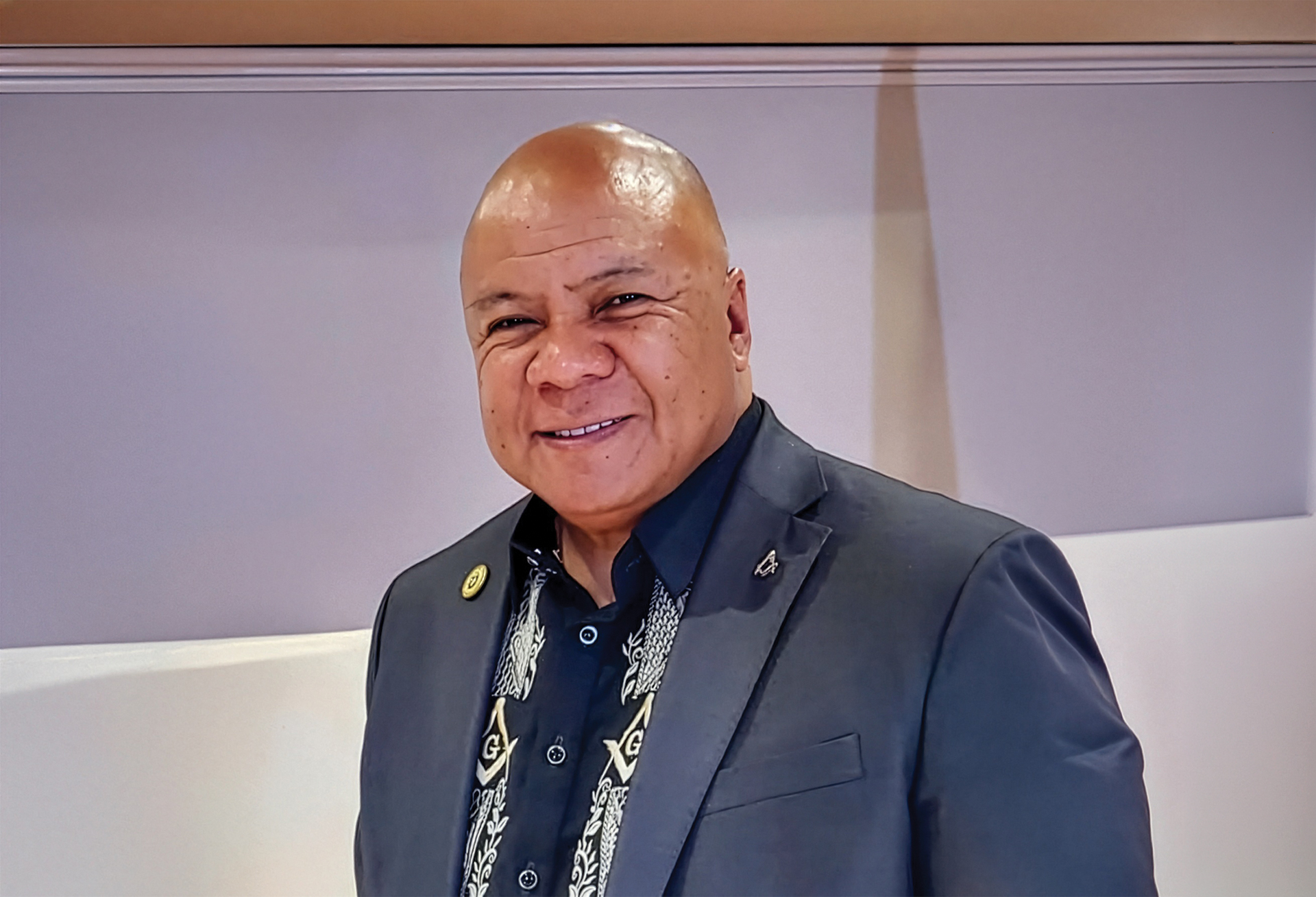
Isemoto Contracting: A History
From a plantation to one of Hawai‘i’s top construction companies
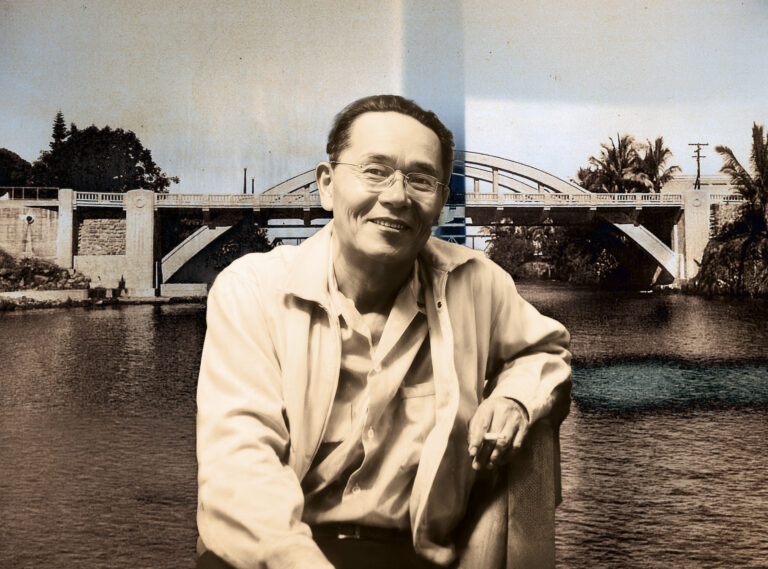
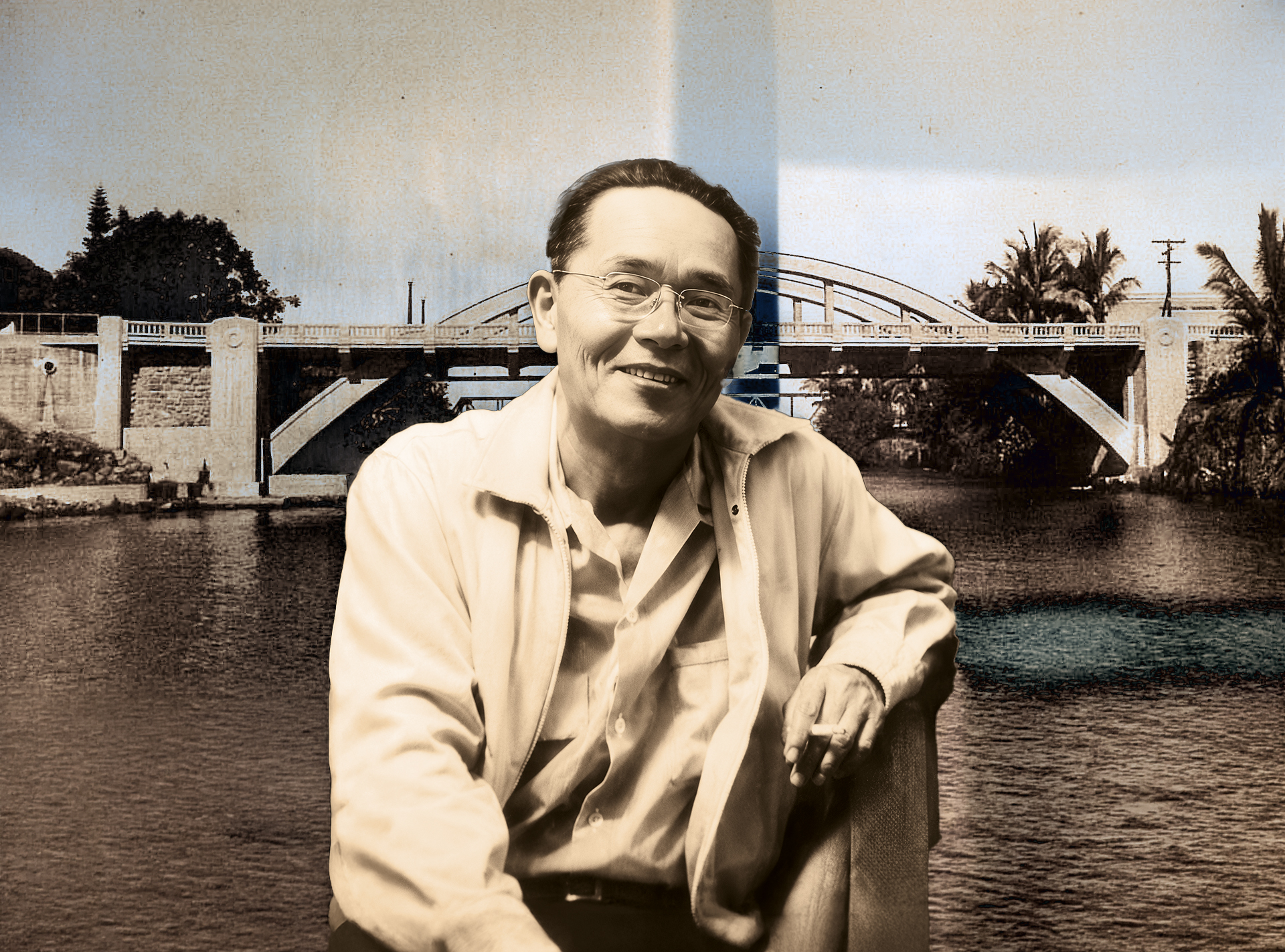
Hisato Isemoto imposed over the Keawe-Wailuku Bridge in Hilo in 1938, marking Isemoto Contracting’s first major government contract.     PHOTO COURTESY ISEMOTO CONTRACTING CO. LTD/ ISEMOTO FAMILY BOOK

HUMBLE BEGINNINGS

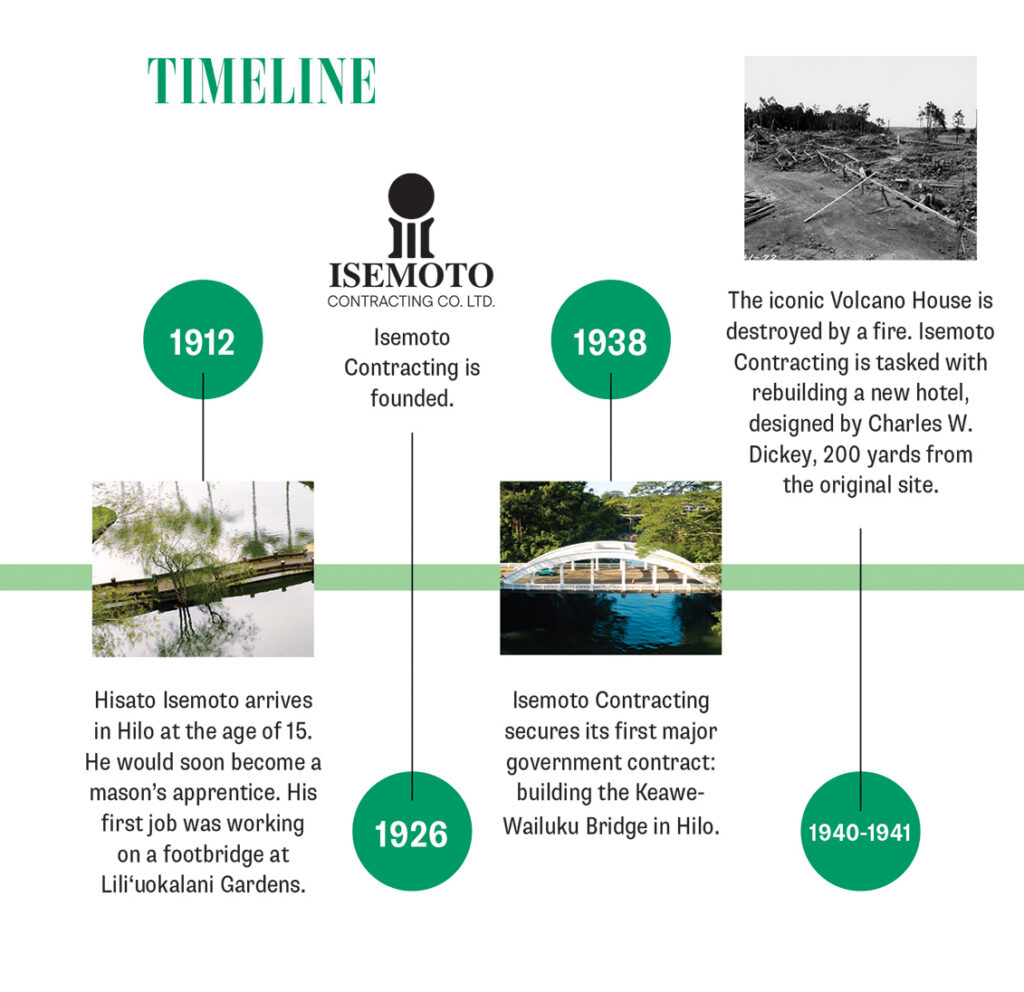
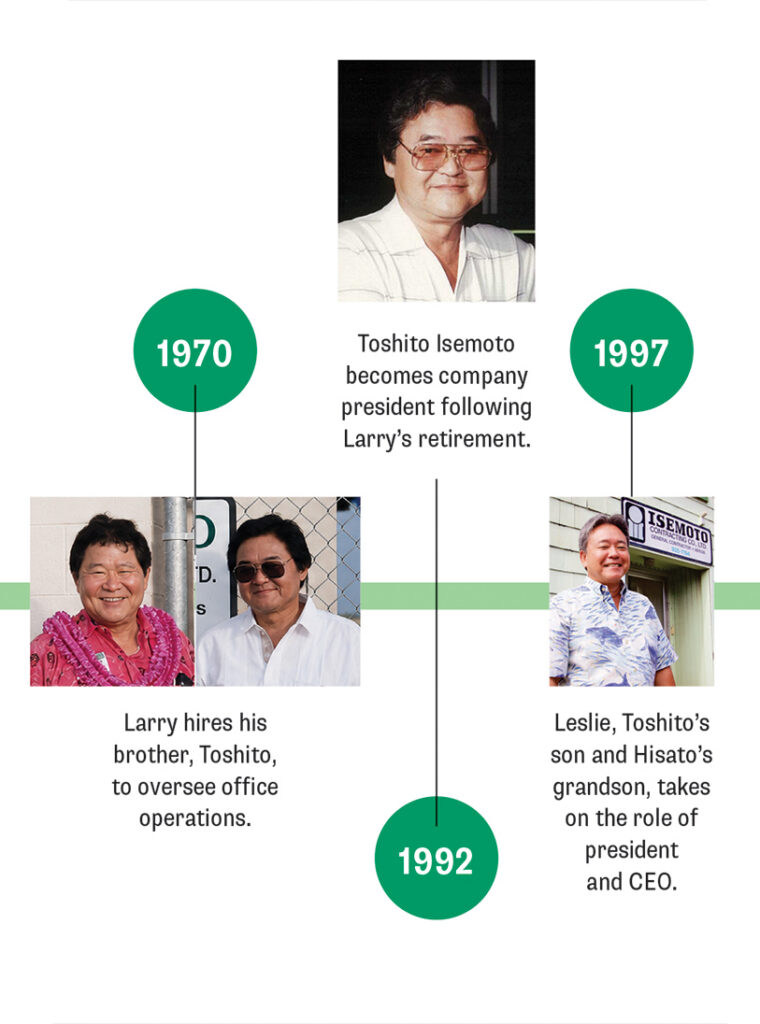
Hisato Isemoto came to Hilo, Hawaiʻi from Hiroshima, Japan at the age of 15 in 1912 to work as a plantation laborer just as his father had been doing for three years. Instead, he would become the founder of Isemoto Contracting Company Ltd., now a paragon of infrastructure construction excellence, commitment to community and devotion to its workforce.

“The intent was he [Hisato] was going to work in the plantation,” says Leslie Isemoto, Hisato’s grandson and current president of Isemoto Contracting Company Ltd. “It didn’t take more than three months” before Hisato decided that being a plantation worker wasn’t for him. He decided to become a mason’s apprentice.

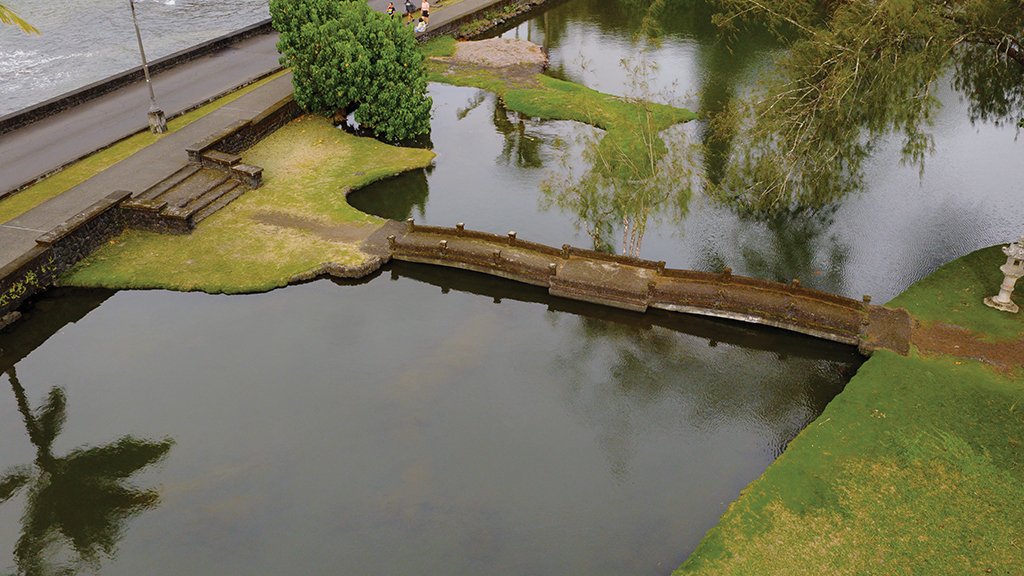
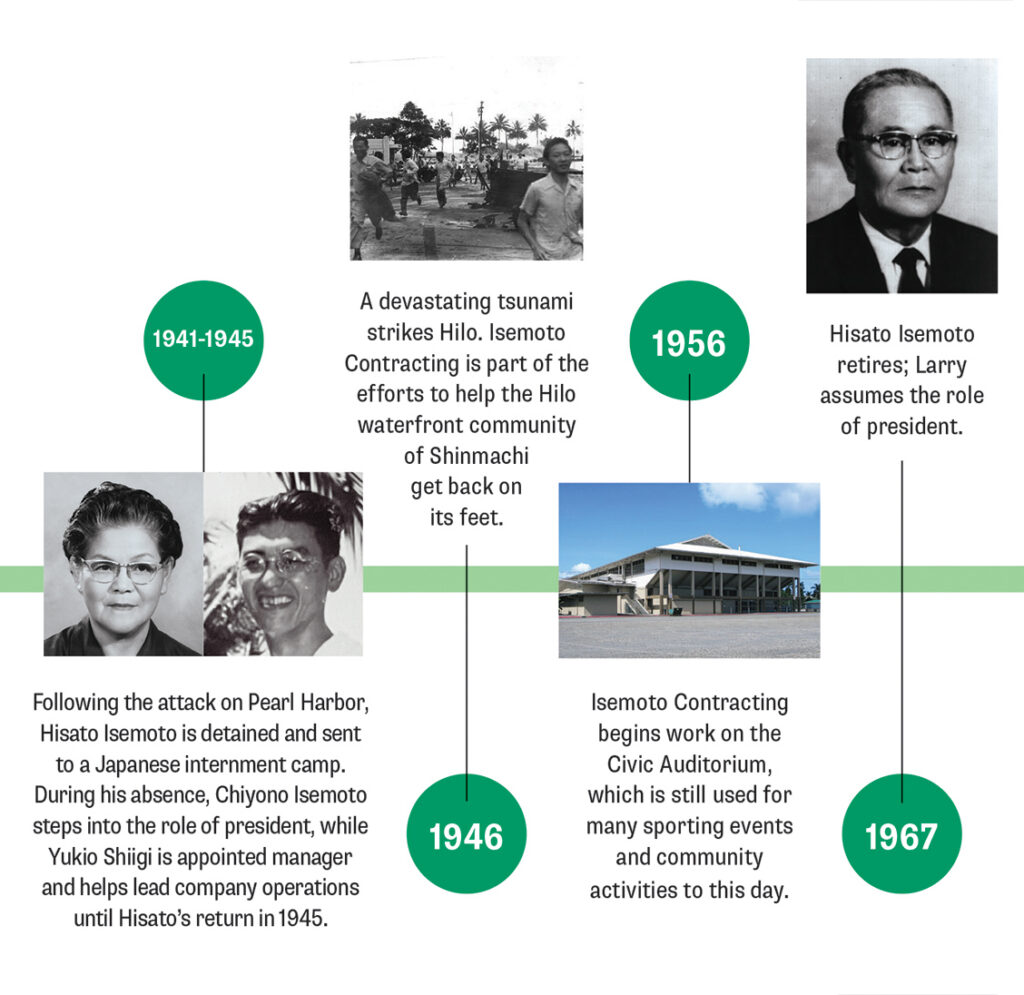
His first job as an apprentice was working on a footbridge at Liliʻuokalani Gardens in Hilo, a stonework bridge that remains in place today, having survived the catastrophic tsunamis of 1946 and 1960. “It survived the tidal waves,” Leslie says. “In fact, it recently got repaired, but the Friends of Liliʻuokalani Gardens faithfully call it the ‘Isemoto Bridge’ because that’s where my grandfather started.” Hisato was 16 years old at the time.

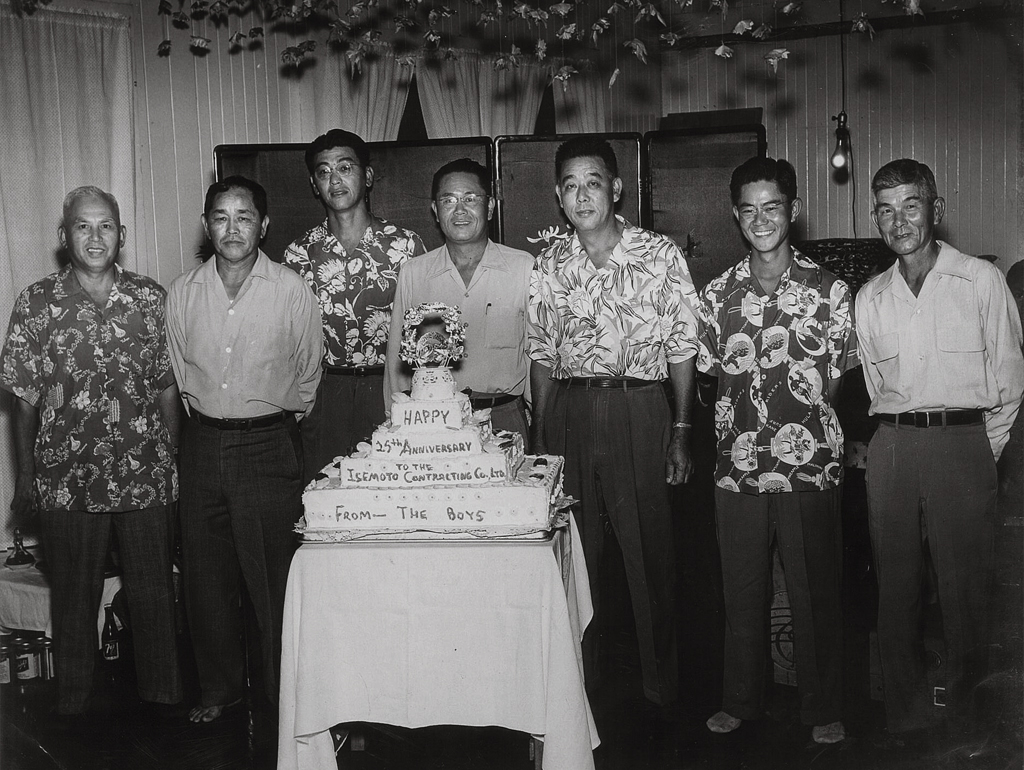
It is a fitting origin story for a company that has been building bridges and other critical infrastructure and public works for the 100 years since Hisato founded Isemoto Contracting in 1926. A comprehensive list of the Hawaiʻi island government and public/private sector projects Isemoto Contracting has been involved in since its inception would fill volumes. Isemoto Contracting’s first major government contract was to build the Keawe-Wailuku Bridge in Hilo in 1938, a vital link between the plantations of the Hāmākua Coast and Hilo’s town center.

“The bridge was my grandfather’s first significant project he had completed in 12 years since he formally founded Isemoto Contracting,” says Leslie. “At the time it was a very large project for the town of Hilo. The 171-foot span of the bridge cost was $113,730 and completed in one year.”

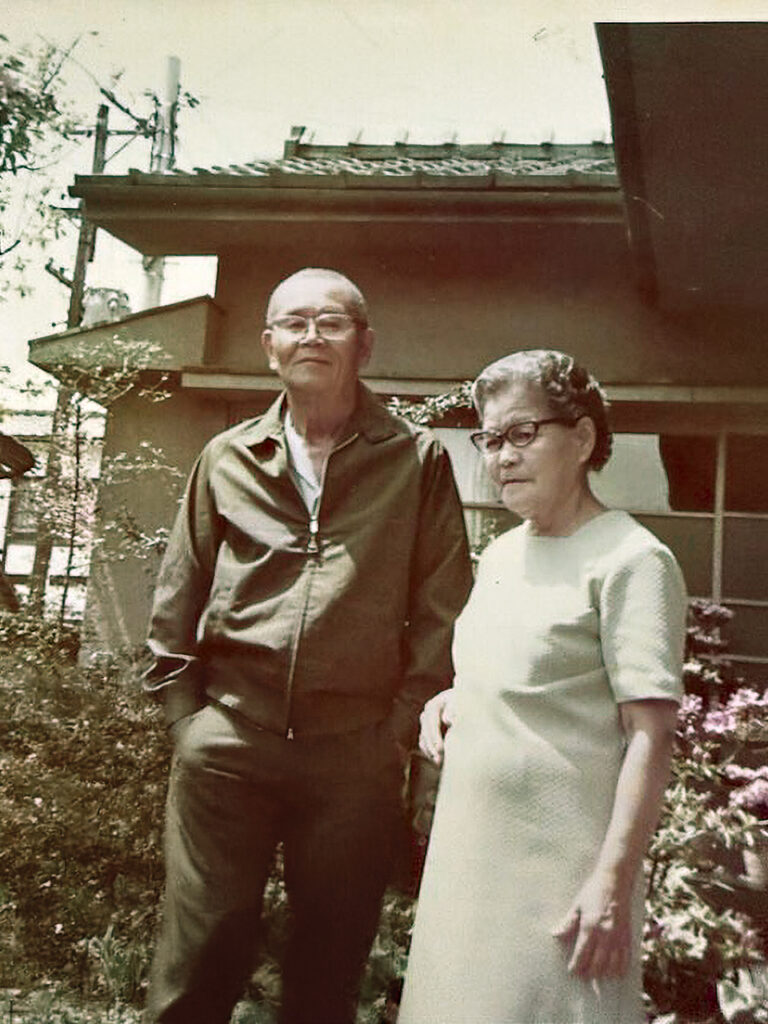
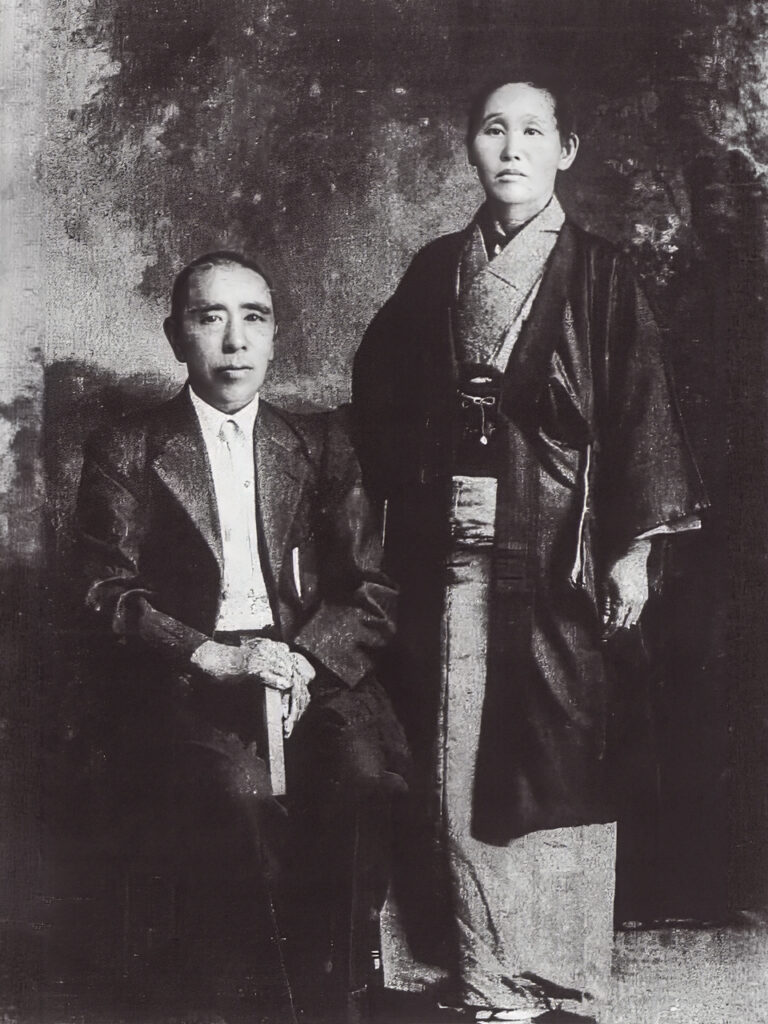
Hisato and Chiyono Isemoto 
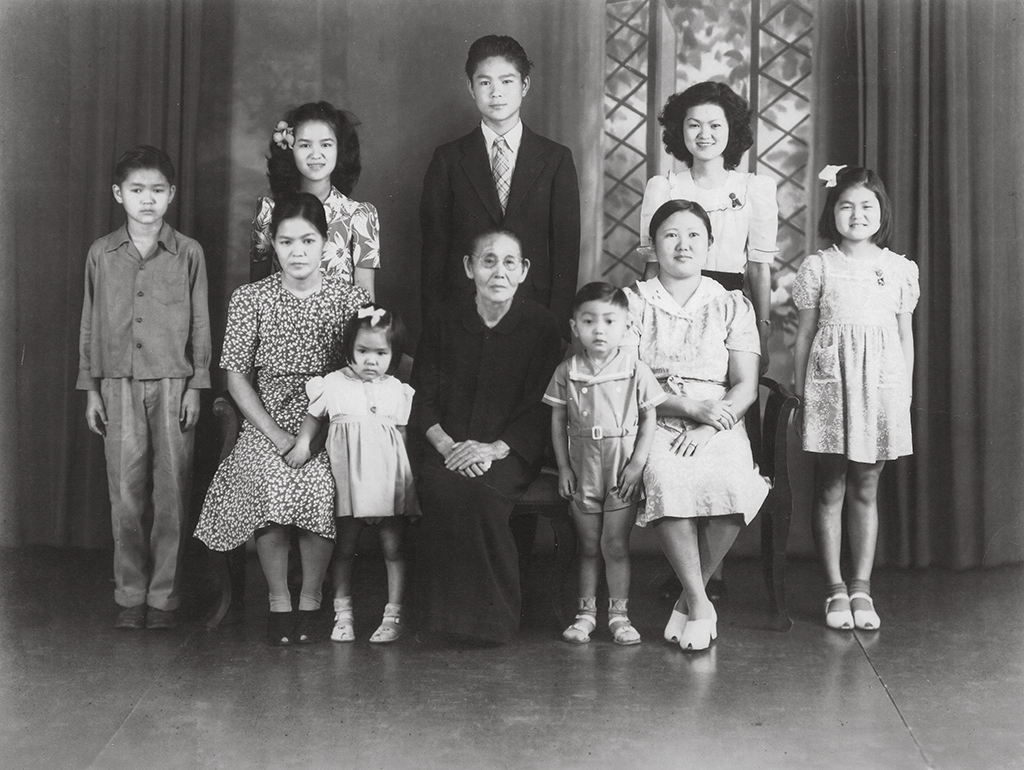
Sannenmon and Tama Isemoto  
Hisato Isemoto’s first job as an apprentice was working on a stone footbridge at Lili‘uokalani Gardens in Hilo. It still stands today.     PHOTOS COURTESY ISEMOTO CONTRACTING CO. LTD/ ISEMOTO FAMILY BOOK

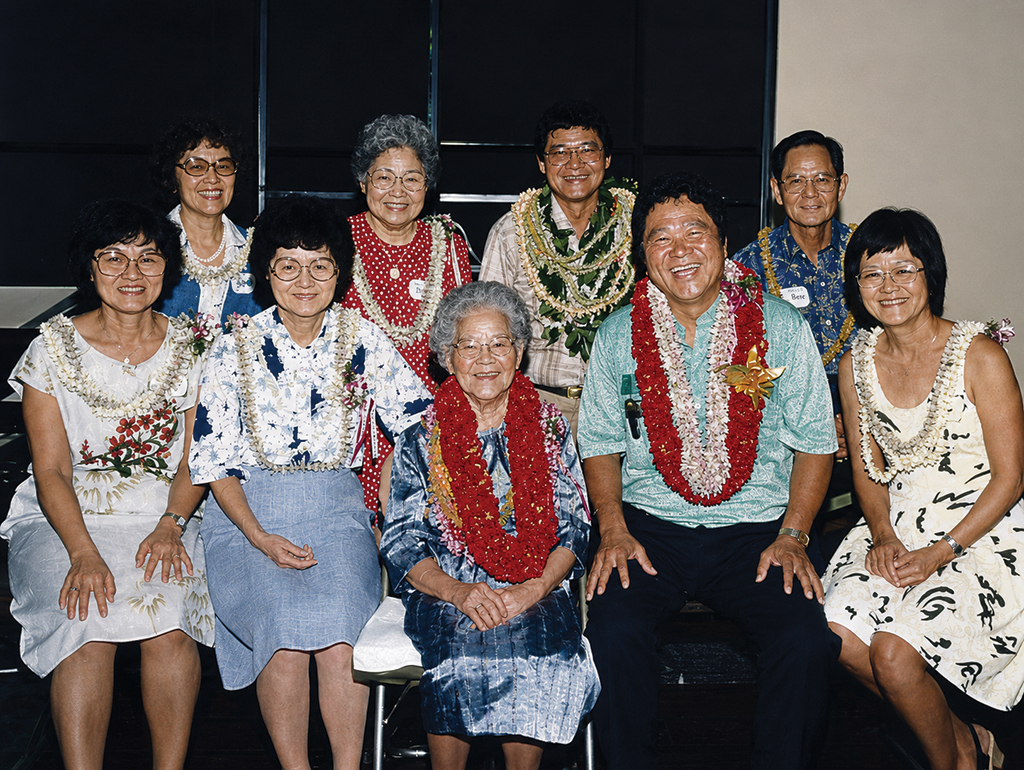
“My grandfather demanded hard work, he demanded quality work,” says Leslie. “But the most important thing is, you take care of your employees. When he was picked up and taken to internment, my grandmother, Chiyono Isemoto, became president, while family members helped keep the company going, including her brothers, who served as stockholders and directors; son-in-law Yukio Shiigi, who was appointed manager and handled day-to-day operations for 33 employees; and daughter Yukie Isemoto, now Yukie Sekimura, who worked alongside Yukio as a bookkeeper. My grandmother also instilled in the workers and family that you have to take care of people and do quality work. My grandmother reinforced that throughout the time my grandfather was interned. It took a while for him to rebuild the company.”

Leslie recalls an early indication of Hisato’s resolve following his masonry apprenticeship, when he first went out on his own with two partners before creating Isemoto Contracting. “He had two other partners,” says Isemoto. “They were doing well, and one of the partners took all of the money and went back to Japan! From that time on, he vowed not to have any partners,” he laughs.

Following World War II, Hisato took on the many challenges of rebuilding the company. “Because my grandfather took care of so many people, he was able to get the help he needed,” says Leslie. The Isemoto family and business became involved with the Shinmachi, a small Hilo community devastated by the 1946 tsunami that pooled resources to help community members start new businesses or expand existing enterprises.

That devotion to community, to “take care of the people,” has been a prevailing characteristic of Isemoto Contracting since its 1926 inception, and it continues today with the company’s unwavering support of union workers.

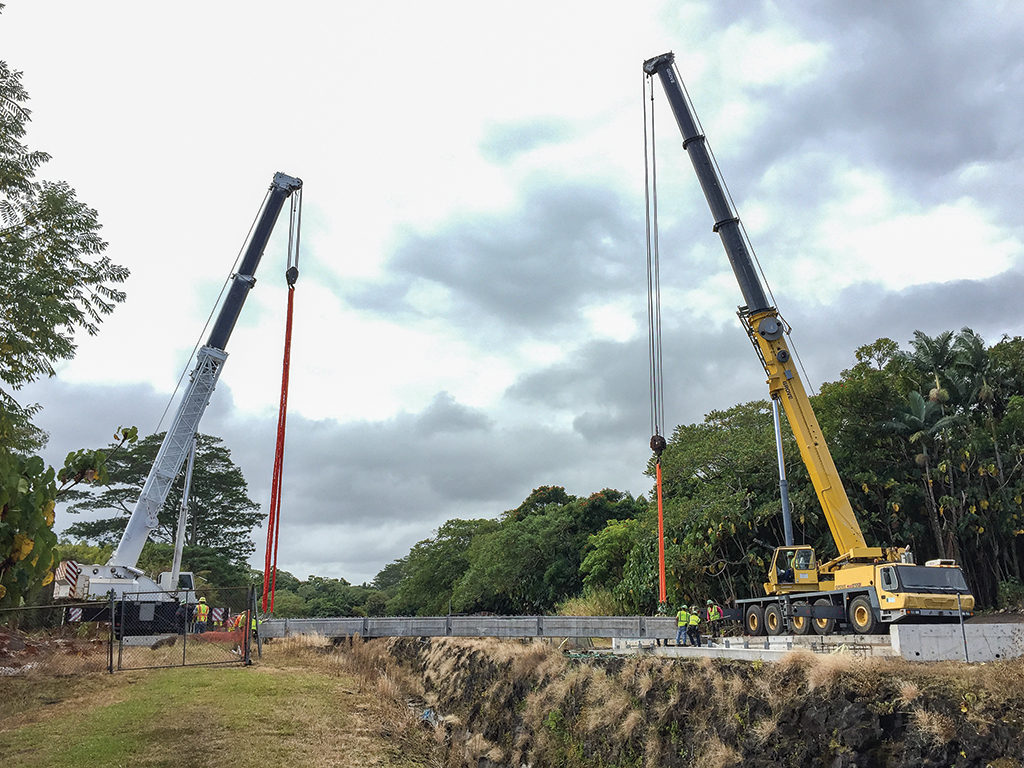
Crews set girders during construction of the Kapi‘olani Street extension    PHOTO COURTESY ISEMOTO CONTRACTING CO. LTD

AN ISLAND-WIDE FOOTPRINT

Isemoto Contracting’s footprint in Hawaiʻi island’s built environment stretches across every district, and their many projects affect the lives of a large portion of the island’s residents and visitors every day. Indeed, each visitor who arrives at the airports in Kona and Hilo will have benefitted from Isemoto Contracting’s work before they get to their rental car or shuttle to their accommodations.

“Doing public works is a lot easier in terms of set specs and general requirements,” says Leslie. “We are so used to doing public sector work, in knowing what the specs are, what the general conditions are, all of the requirements … it’s kind of like backhand knowledge. We know all of the inspectors and department heads [because] we’ve been doing it for so long.”

He recalls when a new official with the County of Hawai‘i Department of Water Supply, many years back, was told by his supervisor to keep an eye on the company. “He actually took it the wrong way,” says Leslie, laughing at the memory. “He thought the inspector was telling him, ‘You watch Isemoto because they cheat, they don’t do good work,’ kind of thing. But he was saying, ‘You watch Isemoto, that’s how it’s supposed to be done.’”

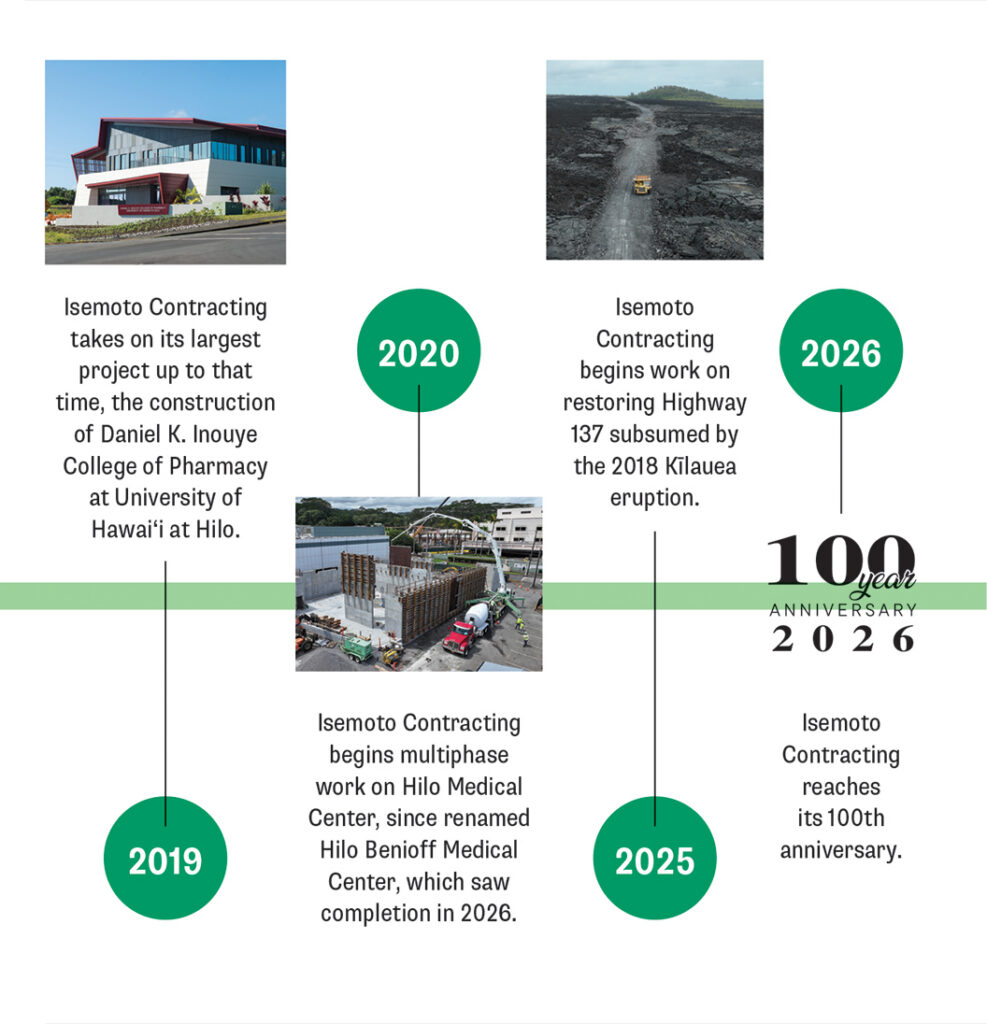
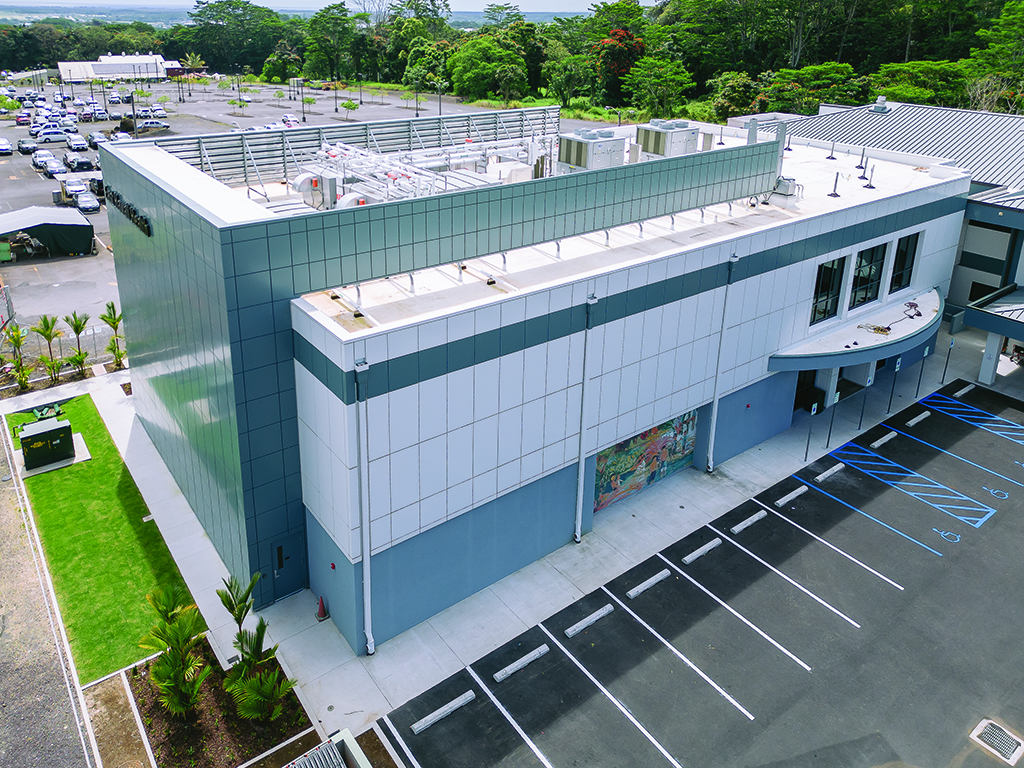
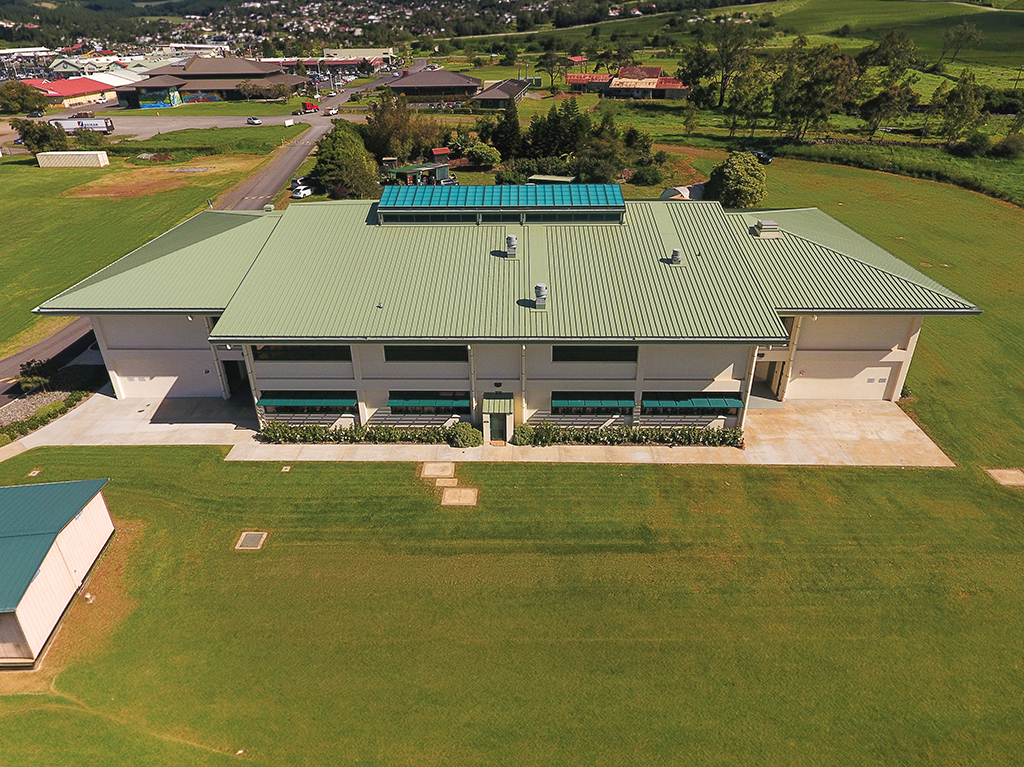
Hilo Medical Center’s Rural Health and Telehealth Center, an Isemoto Contracting project completed in 2026.     PHOTO COURTESY ISEMOTO CONTRACTING CO. LTD

TAKING CARE OF THE PEOPLE

Isemoto Contracting has been part of the construction of Hawaiʻi island’s most vital infrastructure. Highways, schools (public and private), hospitals, airports, water and sewage systems; every minute of every day, Isemoto Contracting’s work is part of the fabric of living and working on Hawaiʻi island (and visiting, too).

Isemoto projects crucial to sustaining the island’s population include potable water reservoirs in Kaʻu and Kohala, among others. The company began work on Lālāmilo Reservoir in 2023, a 10-million-gallon reservoir for drinking water, to serve Kohala residents and buildings. It is the largest reservoir of its kind on the island. In dry, desert-like environments like much of Kaʻu and Kohala, and current drought conditions throughout the state, dependable water infrastructure is imperative for public health and safety.

The far-reaching impacts of Isemoto Contracting’s projects on Hawaiʻi island’s communities may be nearly impossible to quantify. A large proportion of Hawaiʻi island residents see and use prominent Isemoto Contracting projects every day. However, every day, many thousands of people use things built by the company which they don’t see, like grading, drainage, sewage and water facilities; hidden commodoties that make modern living possible.

Aside from the sheer volume of Isemoto projects over the years, and the overwhelming number of Hawaiʻi island’s people that benefit from them, it is important to recognize exactly who benefits. Isemoto Contracting projects have improved the lives of residents from every economic background. The company’s work on the Hilo Medical Center Rural Health and Telehealth Center provides care to remote, underserved communities in what are now known as “medical deserts,” bringing vital care to those most in need.

Improvements to the West Hawaiʻi Homeless Emergency Shelter tackle a persistent, complicated socioeconomic problem. Although its capacity is relatively low, the services the facility provides can turn lives around for good. The many public schools Isemoto Contracting has helped build are meant to serve all of Hawaiʻi island’s children.
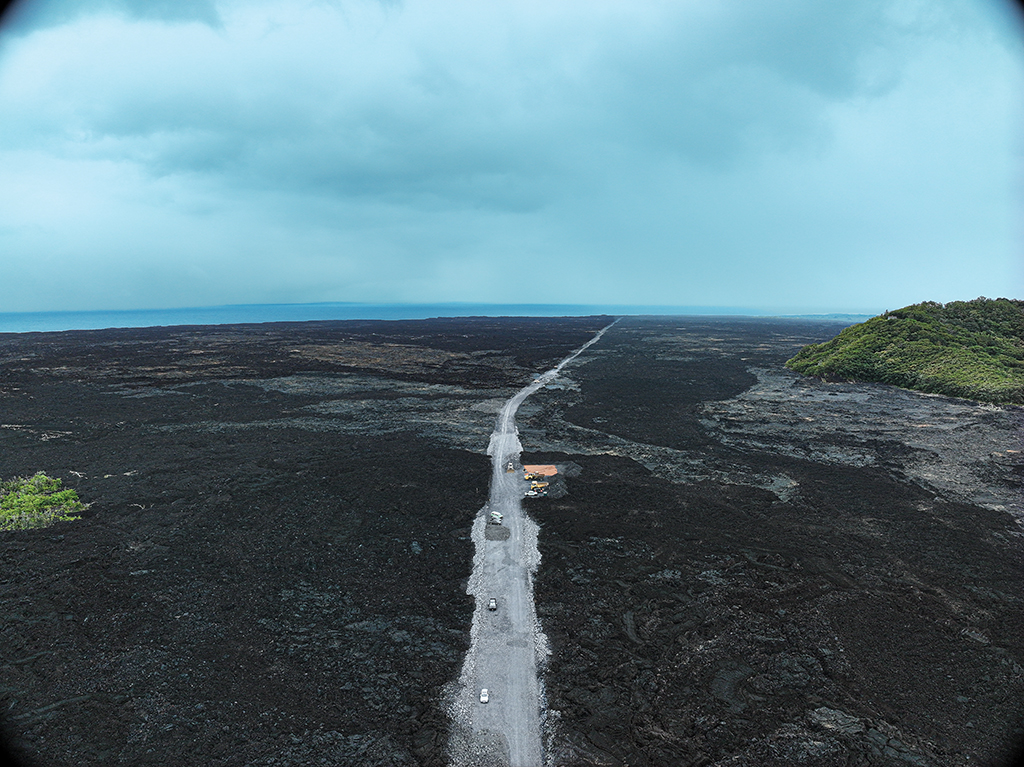
Of course, the sheer number of people who use roads and highways Isemoto Contracting has helped build and repair is evidence enough of the company’s impact on daily life on Hawaiʻi island. In 2025, the company began work on the restoration of a 3.6-mile stretch of Highway 137, which was subsumed by lava during the 2018 Kīlauea Volcano eruption, virtually erasing an entire community. The project will help a remote region which already faced challenges unique to remote, rural areas before the devastation of the eruption. The project is expected to be completed in Q3 2026.

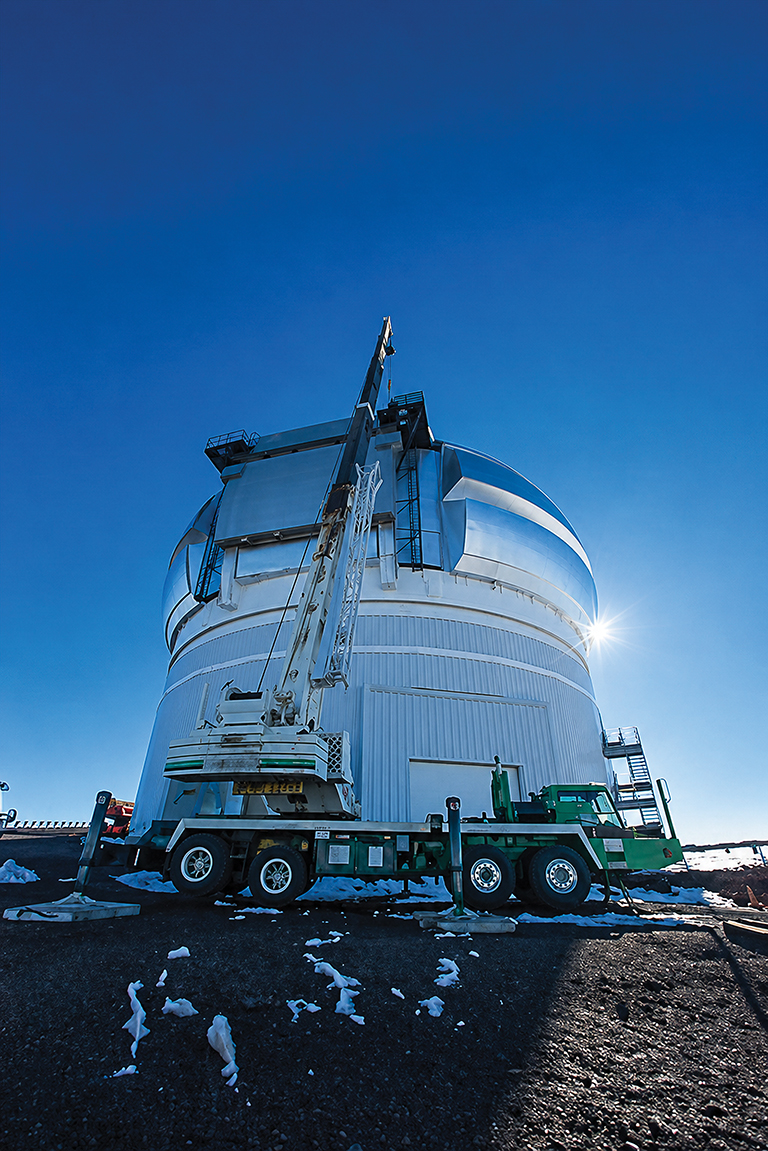
Isemoto Contracting’s impact, however, reaches far beyond those remote areas and into the sky. The company’s work on telescopes atop Mauna Kea has been vital for repairs to facilities that track the stars for astronomers and astrophysicists all over the world. Some of the most important scientific discoveries about the universe have been made up there. Work at that altitude is logistically and physically difficult. Leslie worked on the Canada-France-Hawaiʻi Telescope, which became operational in 1979, when he was a teenager.

Gemini North Telescope, Mauna Kea  

He recalls the physical demands of the work when he started his first day, after 60-70 mile-per-hour winds had stopped work for two days. “Third day, beautiful weather,” he says. He had packed a hearty lunch and was warned by his foreman that he’d get sick if he ate too much. “I threw up!” Leslie laughs, as he often does. “I went into the van to sleep, my headache really didn’t go away. I didn’t even eat dinner. But I did have a big breakfast [the next day].”

It’s that dogged determination that has kept Isemoto Contracting building critical infrastructure for a century.

“I’m so amazed and proud of my grandfather, starting a company in 1926 and 12 years later building that bridge,” Leslie says, recalling Hisato’s construction of the Keawe-Wailuku Bridge in 1938. Leslie describes an intricate engineering innovation that his grandfather developed for the bridge and rightfully admires his ambition. “He had no [formal] education and yet he could think about those things. He had a very creative mind.”

Whether it be bridges here on Planet Earth, bridges to the stars at telescopes on Mauna Kea or the infrastructure that lets Hawaiʻi work and thrive, Isemoto Contracting Co. Ltd. has always built bridges to the future. The long, historical view of Isemoto Contracting reveals a relentless, 100-year drive to provide high-quality work and to “take care of the people.”

Related Images:

More articles