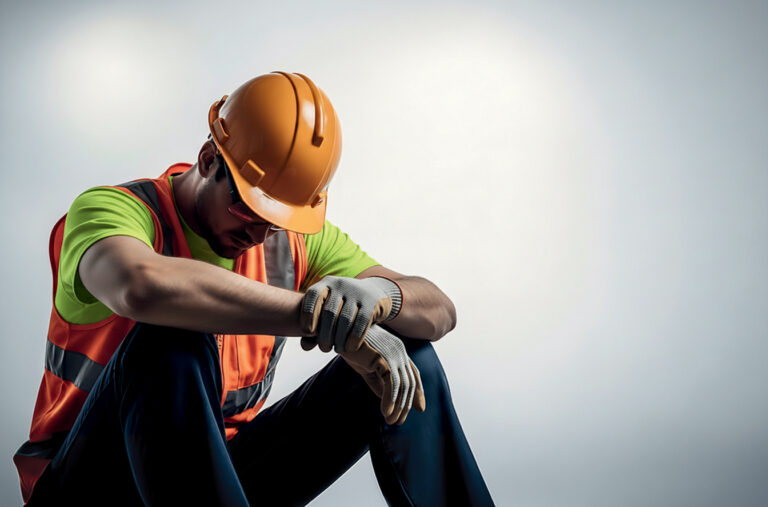
The construction industry has the second-highest rate of suicide in the United States. This is according to “Suicides among construction workers in the United States, 2021,” a study published in the American Journal of Industrial Medicine in 2024.
In Hawai‘i, carpentry and construction rank first, as revealed in a new study published in March 2026 titled “Hawai‘i Suicide Rates by Occupation 2013–2023” by MDPI (Multidisciplinary Digital Publishing Institute).
Another study conducted by construction firm Clayco in 2025 found that nearly two thirds of construction workers have experienced anxiety or depression in the last year, up from 54% in the previous year.
The numbers are jarring. The possible causes are many: long and irregular working hours, demanding deadlines, anxiety from reduced work due to seasonal and economic shifts, the social disconnect caused by moving from job site to job site, among other reasons. That is not even accounting for the physical demands which may lead to chronic pain, injury or loss of work.
Complicating this is the “tough-guy” culture that often permeates the industry, stigmatizing the act of asking for help.
The issue has not gone unnoticed by the industry and its leadership. Organizations like the nonprofit Construction Industry Alliance for Suicide Prevention (CIASP) have formed to address the problem, while national and local chapters of unions and organizations like Associated Builders and Contractors highlight the problem.
Additionally, many workplaces provide access to WorkLife Hawaii’s Employment Assistance Program that provides employees with confidential counseling and support services, and other resources to help them navigate their problems.
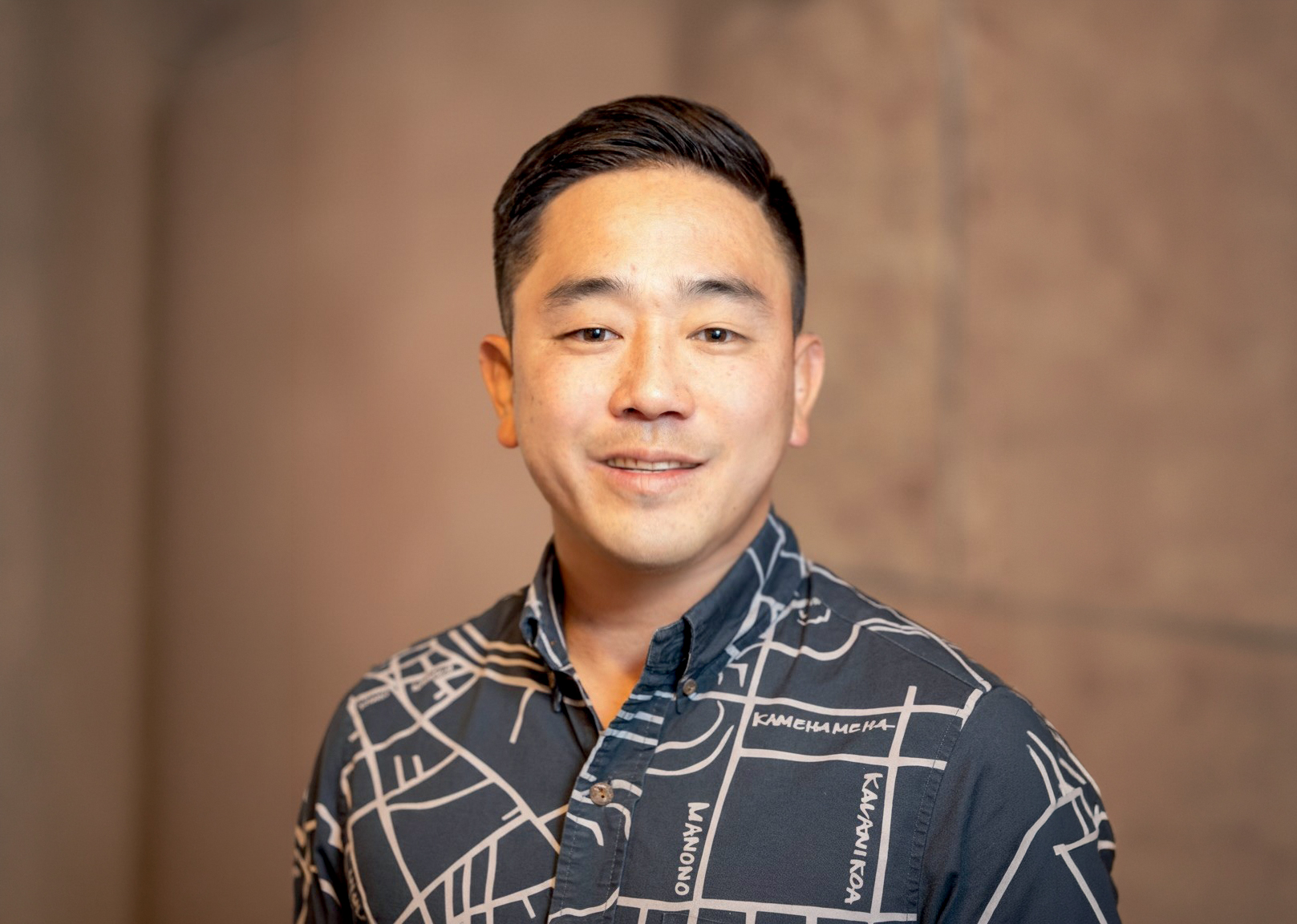
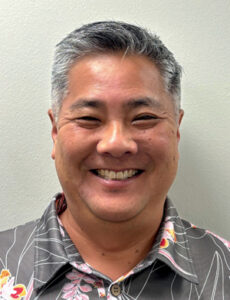
Newly installed General Contractors Association (GCA) of Hawaii President Michael Inouye has made mental health a priority for the organization in 2026. I had the opportunity to ask him several questions about the issue and the GCA’s plans.
QUESTION: According to a number of recent studies, construction has one of the highest rates of suicide among any major industry. How do you see the problem manifesting itself in Hawai‘i’s construction industry?
ANSWER: I see this as a largely unspoken issue within Hawai‘i’s construction industry. It’s not always something people are comfortable talking about, but it’s there, and it affects our workforce in very real ways.
When mental health challenges go unaddressed, they can show up as increased turnover, reduced productivity and strain within teams. In more serious cases, it can lead to substance abuse or even suicide. This is a deman-ding industry, and the pressures — both on and off the jobsite — can add up quickly if people don’t have the support they need.
Q: From your perspective, have the concerns about mental health in the industry gotten better or worse through the years?
A: I think awareness around mental health has definitely increased over the years. Whether the issue itself is getting worse or we’re just more aware of it, it’s become more visible and more relevant in our industry.
The reality is that the pressures on our workforce — both on the jobsite and at home — have intensified. With technology, information moves faster, expectations are higher and the pace of decision-making has accelerated. That constant pressure can make it more challenging to keep up and succeed, and it adds a level of stress that didn’t exist in the same way before.
Because of that, mental health has become an increasingly important part of the conversation, and it’s something we can’t afford to overlook.
Q: What’s the “word on the street,” so to speak? Is mental health an issue that contractors, employers, workers, etc. are talking to each other about? Are they approaching you/the GCA about it?
A: Yes, there’s definitely more conversation happening around mental health today than there was even a few years ago. Contractors, employers and industry leaders are beginning to recognize that this is something we need to address more directly.
At GCA, we’ve made it a priority this year. We’ve established a task force focused on understanding what resources are already available, identifying potential partnerships with organizations that specialize in this area and learning from best practices in other construction communities.
Just as important, we’re looking at how we begin to shift the culture of the industry, so people feel more comfortable talking about mental health and seeking help when they need it. That’s a longer-term effort, but it’s a necessary one.
Q: What are the current barriers for people to get the help they may need?
A: In my opinion, the biggest barrier is still culture. Construction has always been a physically demanding industry that values toughness, resilience and pushing through challenges. Those are important traits, but they can also make it harder for people to acknowledge when they need help.
Many companies already provide resources, whether it’s employee assistance programs, hotlines or other support tools. But if individuals don’t feel comfortable using those resources, then the issue remains unaddressed.
So while access is important, the bigger challenge is creating an environment where people feel it’s okay to speak up and seek support without hesitation or stigma.
Q: What do you think it will take to overcome these challenges?
A: That’s a challenging question, because culture change doesn’t happen overnight. It starts with recognition — acknowledging that this is a significant issue and making a commitment at both the organizational and industry levels to address it.
From there, it’s about making resources available and, just as importantly, creating an environment where people feel comfortable using them. That requires consistent messaging and leadership that shows this is something we care about.
A big part of that cultural shift will come from leadership at every level — not just executives, but also foremen and superintendents who work most closely with our crews. It requires empathy. In Hawai‘i, relationships have always mattered and sometimes it’s as simple as taking a few minutes to listen. Someone may just need 10 minutes of a caring ear to be in a better place.
In many ways, it’s similar to how we’ve improved safety culture over time. It starts with small, intentional steps and a sustained commitment. The results won’t be immediate, but if we stay consistent we can create an environment where people feel supported and valued.
Q: What progress has been made so far? What initiatives are currently in place (whether GCA-based, or from elsewhere in the local industry)?
A: We’re still in the early stages, but there has been meaningful progress. At GCA, we’ve formed a task force specifically focused on mental health, and one of our first steps has been to better understand the issue and identify available resources. That includes reaching out to other AGC (Associated General Contractors of America) chapters and national committees to learn from their experiences and see what’s working elsewhere.
One example is the Culture of Care program, which started with AGC of Washington and has since been adopted and promoted nationally through the AGC. Many chapters are implementing similar initiatives, and those efforts are helping move the conversation forward.
For us, the goal is to take what’s been successful in other markets and adapt it in a way that works for Hawai‘i.
Q: You have said that mental health is one of your priorities for the coming year. Are you able to share your aims and objectives in this area?
A: My focus this year is to better understand the resources and partnerships available, and to begin developing a practical plan that helps move the industry in the right direction. It has to be more than simply sharing a list of resources — those already exist. The real challenge is making sure people feel comfortable using them.
A big part of that is gaining buy-in from our membership: Encouraging companies to look internally, recognize the importance of this issue and commit to starting that cultural shift is critical.
This won’t happen in a year, but if we can build awareness, start meaningful conversations and create that initial commitment, I would consider that real progress.