Movement on Maui
Maui’s emphasis on Lahaina recovery and housing shortages drives further infrastructure development
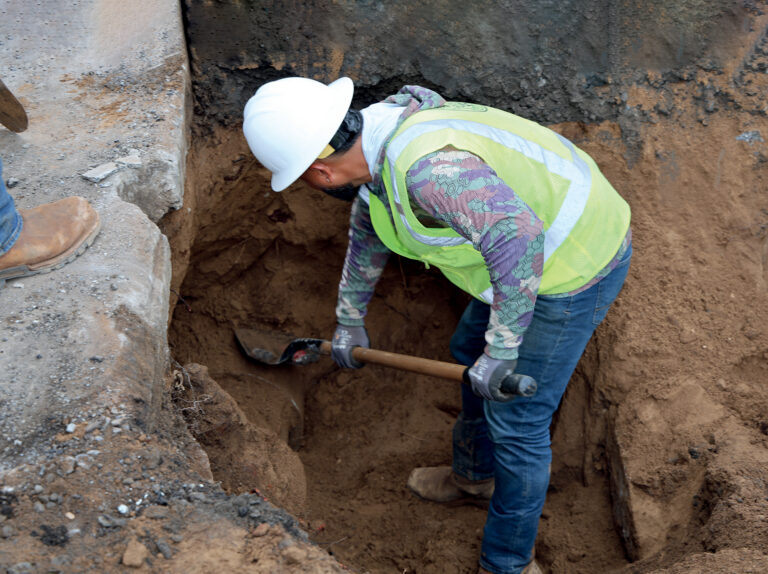
A worker repairs pipes in Kīhei to maintain water access for residents.     PHOTO COURTESY COUNTY OF MAUI DEPARTMENT OF WATER SUPPLY

Housing demand is not slowing down on Maui — or any part of Hawai‘i, for that matter — and industry experts say infrastructure projects are also ramping up to support new construction.

“While demand for housing remains high, the greater challenge lies in rebuilding and expanding supply,” says Moss Assistant Project Manager Mahie Carpio. “Infrastructure limitations — particularly water and wastewater capacity — continue to slow progress.”

The Maui County Department of Water Supply (DWS) took note of the community’s concerns and reports that “many [capital improvement] projects [are] underway,” according to County of Maui Deputy Director of Water Supply James “Kimo” Landgraf.

“The County of Maui Department of Water Supply is advancing improvements across Maui and Moloka‘i while facing water system challenges including drought and water shortages, aging infrastructure, storage and transmission limitations and constraints in water source development and allocation,” Landgraf details. “These ongoing needs reflect both current system demands and the need to strengthen long-term system resilience.”

Work on Lahaina continues to march forward as do many island-wide affordable housing projects, but the recent Kona lows impacted progress. County officials, developers and contractors are now acting swiftly to address the damage and maintain timelines.

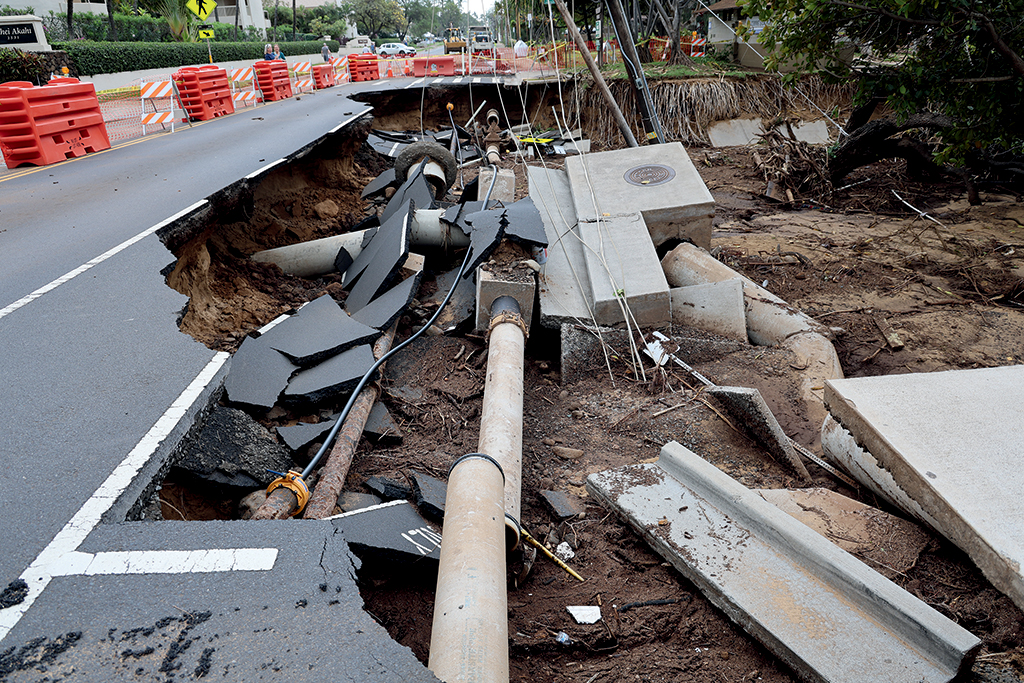
County of Maui Deputy Director of Water Supply James “Kimo” Landgraf reports a major transmission main break in Kīhei was caused by the Kona lows.     PHOTO COURTESY COUNTY OF MAUI DEPARTMENT OF WATER SUPPLY

Consistency in Lahaina

Housing and Lahaina recovery are going hand-in-hand as increased county staffing at the permitting office speeds up permit approval and response times, WMC Design Build Vice President and Construction Industry of Maui member Ryan Grether shares.

“[Maui County] brought in a consultant, a company called 4Leaf, in order to help with processing all the building permits for Lahaina because they knew that many homes … need to be rebuilt [and] they don’t have the staffing in order to review all those permits,” he says. “They pay attention to detail, but they respond quickly because they have more staff. … We want to follow code and we want to do it quickly and efficiently, and they’re accomplishing that.”

4Leaf Inc.’s assistance came just in time for WMC to continue its design-build residential projects in Lahaina, meant to offer as much support to affected residents as possible.

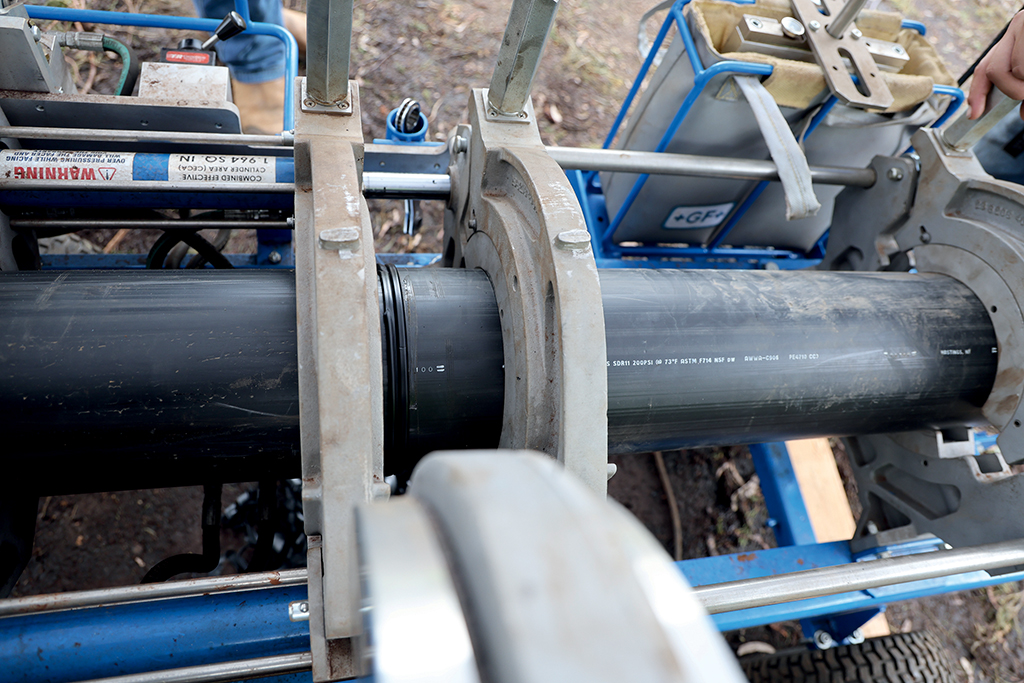
Kona low-related water line repairs in Upcountry Maui require specialized equipment, according to County of Maui Deputy Director of Water Supply James “Kimo” Landgraf.     PPHOTO COURTESY COUNTY OF MAUI DEPARTMENT OF WATER SUPPLY

Grether reports that WMC has “some 70-odd” permits for design-build packages on their list and has already seen approximately 50 homes break ground.

The Hawai‘i State Department of Education also recently announced the opening of its Lahaina educator workforce housing development last April to support teacher retention and public education. Developed by Dowling Co. and valued at $20 million, the development includes 47 rental units offered at affordable rates. Move-ins began last March.

To accommodate new builds, the DWS is improving storage and transmission systems along with other capacity upgrades.

“Coordination also continues with the U.S. Environmental Protection Agency and the Hawai‘i Department of Health to support long-term recovery, rebuilding efforts and infrastructure resilience in West Maui,” says Landgraf.

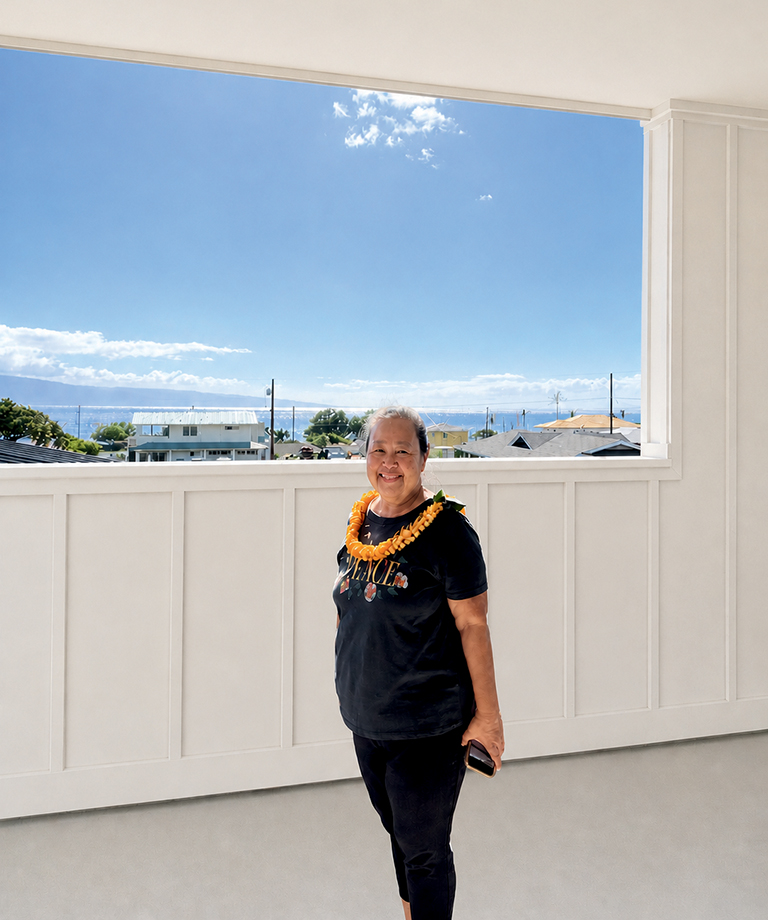
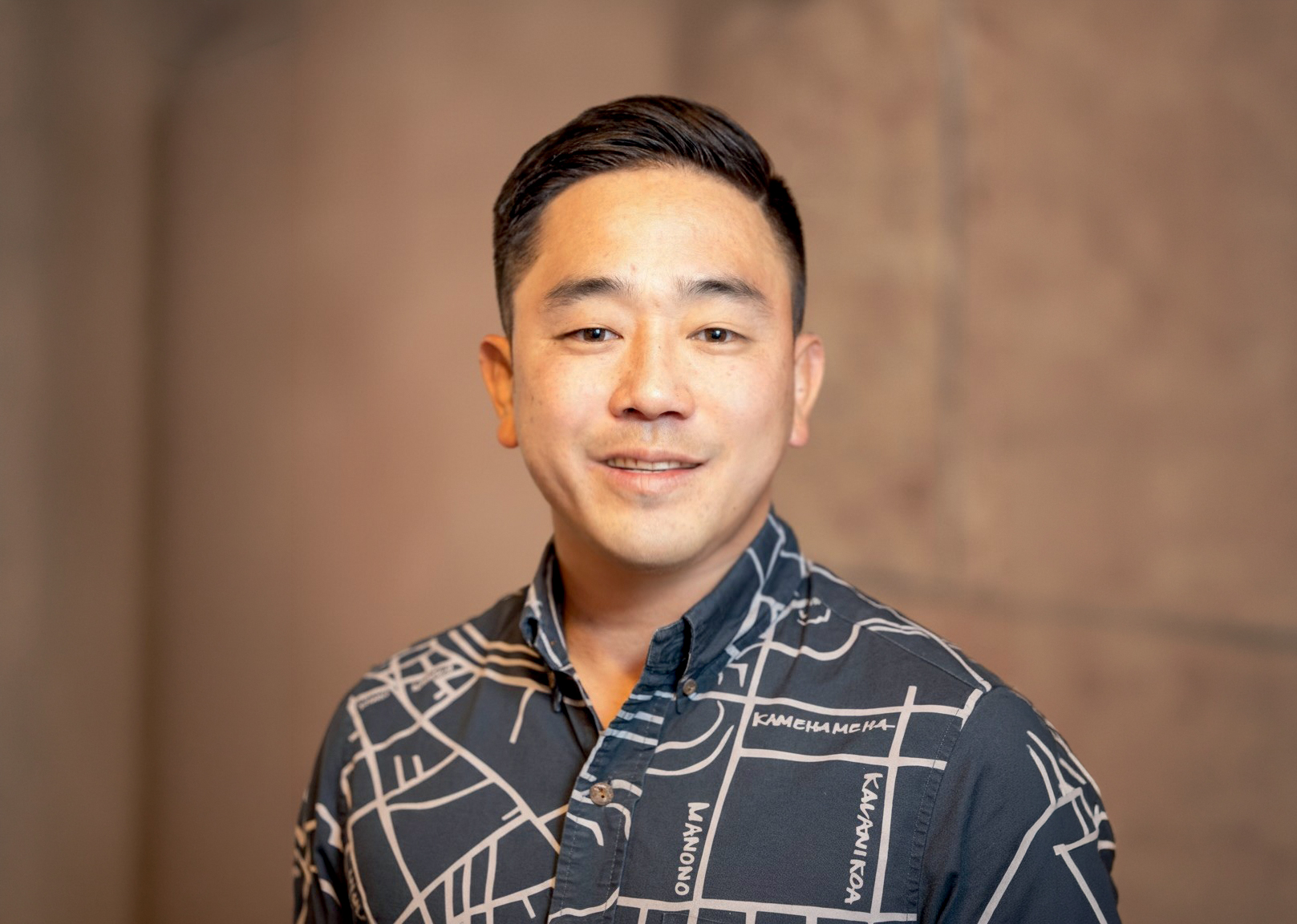
Lori Imasaki is a Lahaina resident who lost her previous home in the 2023 wildfires. She recently attended the blessing of her new home, a project by WMC Design Build.     PHOTO COURTESY NOHILI HONG

Kona Low Blows

The March 2026 Kona lows hit Maui hard, as well as the rest of the state, damaging critical infrastructure, homes and existing construction projects.

Grether says a waterline bridge project awarded to WMC in Upper Kula was affected due to the storm resurfacing the gulch where the project is located. Despite the temporary setback, the wash-out provided the opportunity to build something “more reliable” for the new post-storm topography of the area, he adds.

Other major contractors quickly responded to storm-relief efforts island-wide, providing support for long-standing clients and ensuring the safety of those working on current jobsites.

“Our immediate priorities during these events are always safety and site stabilization. From there, we focus on mitigating water intrusion, assessing impacts and resequencing work to maintain project momentum while protecting quality and schedule,” says Aaron Yamasaki, Swinerton vice president and Hawai‘i division manager. “In Kahului, our long-standing client Target experienced storm-related damage, and we mobilized immediately to assist with remediation, including drywall replacement and related interior restoration work.”

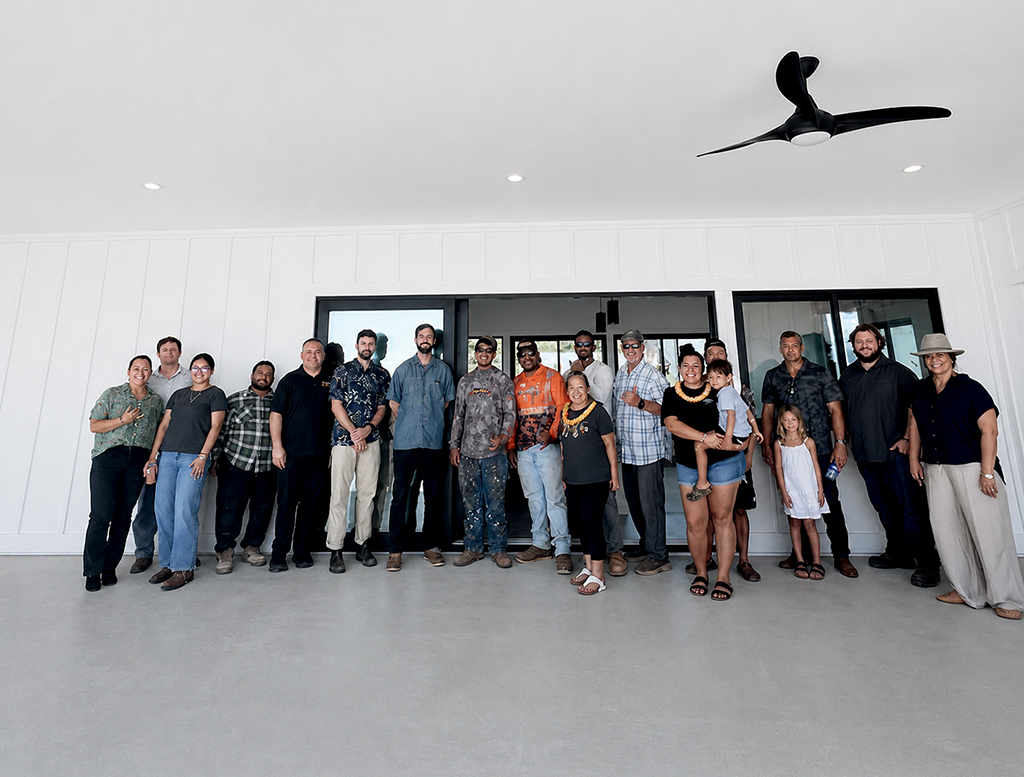
Attendees pose with the Imasakis at the blessing of their home.     PHOTO COURTESY NOHILI HONG

Landgraf reports damage to a major transmission main break in Kīhei, “requir[ing] crews to isolate affected laterals and reconnect service through an alternate pipeline to maintain water delivery to customers.”

Upcountry Maui waterline repairs necessitate work in steep, hazardous terrain, which required the DWS to bring in specialized equipment.

Luckily, the DWS was already making progress on their ongoing infrastructure plan, which accounts for storm-related repairs and assessments for system reliability and resilience.

“The Department is advancing upgrades including waterline replacements, systemwide improvements to mechanical and electrical systems, transmission main upgrades and replacements and upsizing smaller distribution lines to improve system capacity, pressure and fire flow reliability,” says Landgraf. “Plans also include the installation of 32 additional emergency generators across water facilities to enhance resilience during outages and emergency conditions.”

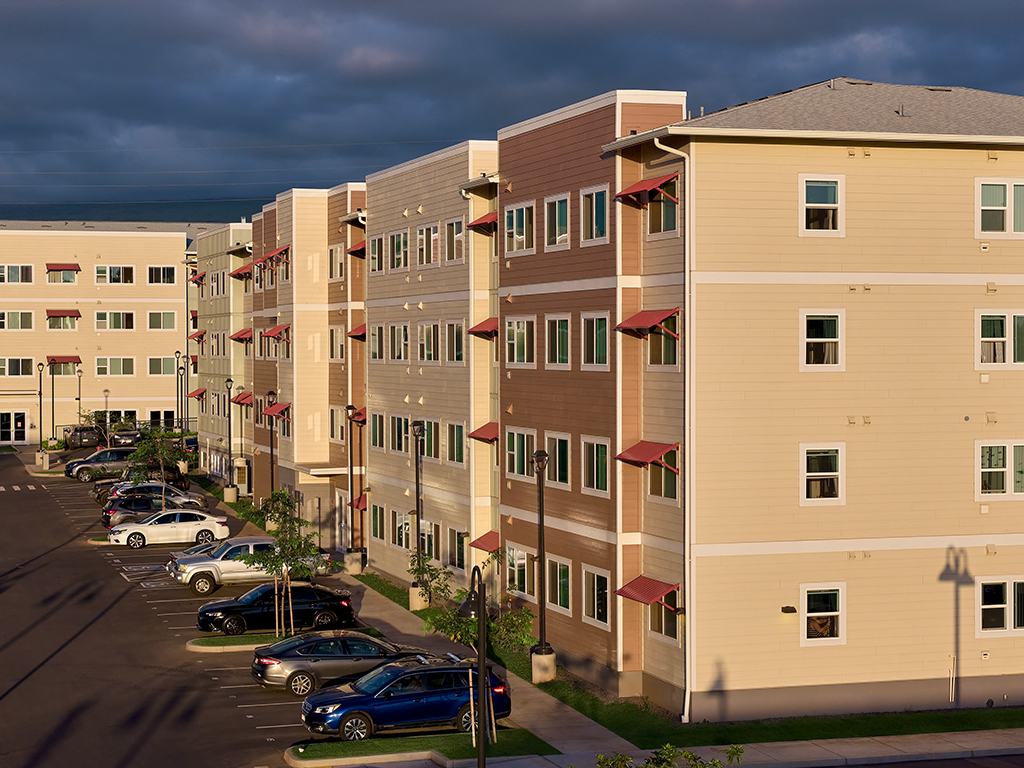
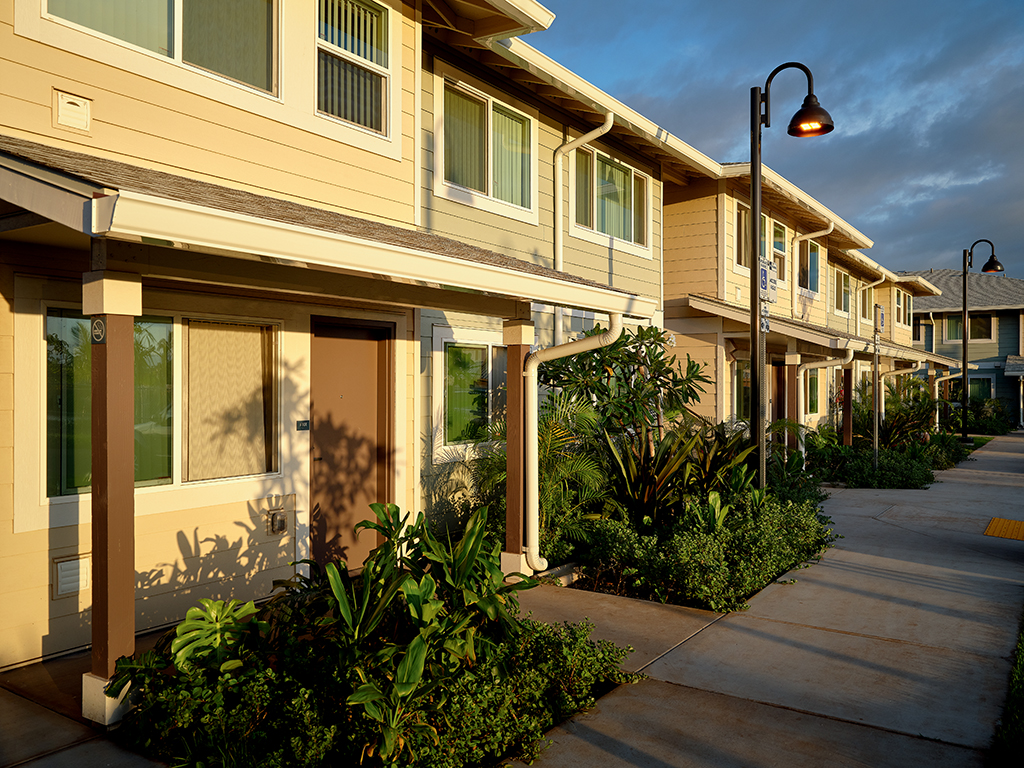
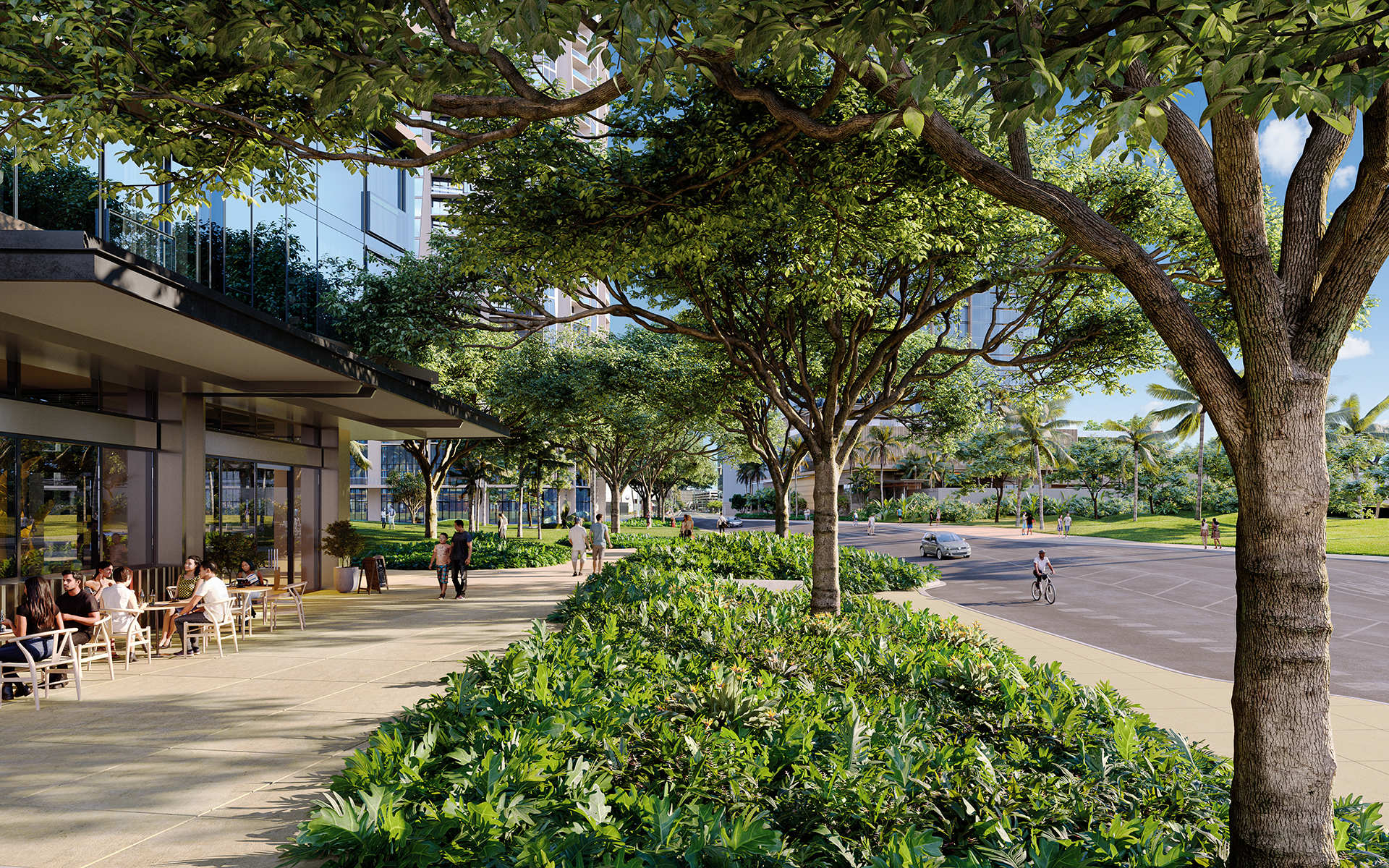
Hale O Pi‛ikea, a Moss project, is a fully affordable housing community that includes 223 units.     PHOTO COURTESY ANDY STENZ, THE IMAGE GROUP

Ongoing Challenges

Similarly to Kaua‘i and Hawai‘i island, Maui also endures the challenges of being a remote location. Shipping delays, special material and equipment acquisition and other challenges plague the island’s building industry.

This issue is nothing new, however, and companies and the county already have methods for mitigating obstacles.

“Contractors are adapting by shifting earlier in the project lifecycle — engaging during preconstruction to identify risks and align on procurement and execution strategies. This includes bringing key trade partners into the process early, leveraging prefabrication where feasible to reduce on-site labor demands and proactively securing long-lead materials to mitigate schedule impacts,” Yamasaki says. “In parallel, maintaining strong, consistent communication across owners, designers, trade partners and regulatory agencies remains critical to navigating these constraints effectively.”

A workforce shortage is also prevalent in Maui’s construction industry due to costs of living and lack of interest from young people, according to Dorvin D. Leis Co. Inc. President and CEO Stephen Leis.

“To help combat economic attrition, we try to provide high-quality careers to our employees and are always seeking ways to bring local talent home,” he says. “Additionally, we believe it’s important to share the potential construction industry careers with high school and community college students so they are aware of all alternatives — whether field or office.”

No Slowing Down

Despite the recent catastrophes and ongoing challenges, Maui construction shows all indications of confidently moving forward.

“The county of Maui seems to be pivoting with the greatest influence coming from the political environment and a new ambitious generation of builders, subcontractors and construction managers,” says Leis. “Along with new participants in vertical construction, they will make their mark on our industry, and it is something to keep an eye on moving forward.” 

Technological advancements and artificial intelligence are further infiltrating processes, which the industry will have to embrace “with careful consideration … to keep the pace with change,” Leis advises.

Green initiatives are also progressing as energy production alternatives are being further explored island-wide. Grether shares that someone he knows is currently developing a concrete weight system that generates energy, but has not yet broken ground.

Aside from innovative advancements, Maui will continue to work on its more pressing issues such as housing shortages and Lahaina recovery.

Moss’ Hale O Pi‘ikea, an affordable housing project in Kīhei, recently wrapped construction last March.

Leis reports “several residential projects planned over the next five years along with some high-end residential project[s]” for the company and predicts an “uptick in commercial and retail projects in Lahaina over the next several years.”

Although Landgraf states that the DWS cannot make any formal predictions, he says water planning will depend on changing conditions, system demands, resource availability, weather patterns and water-use habits.

“Water availability is also directly influenced by conservation — when overall water use is lower, more water remains available within the system for distribution and storage,” he emphasizes.
Related Images:

More articles