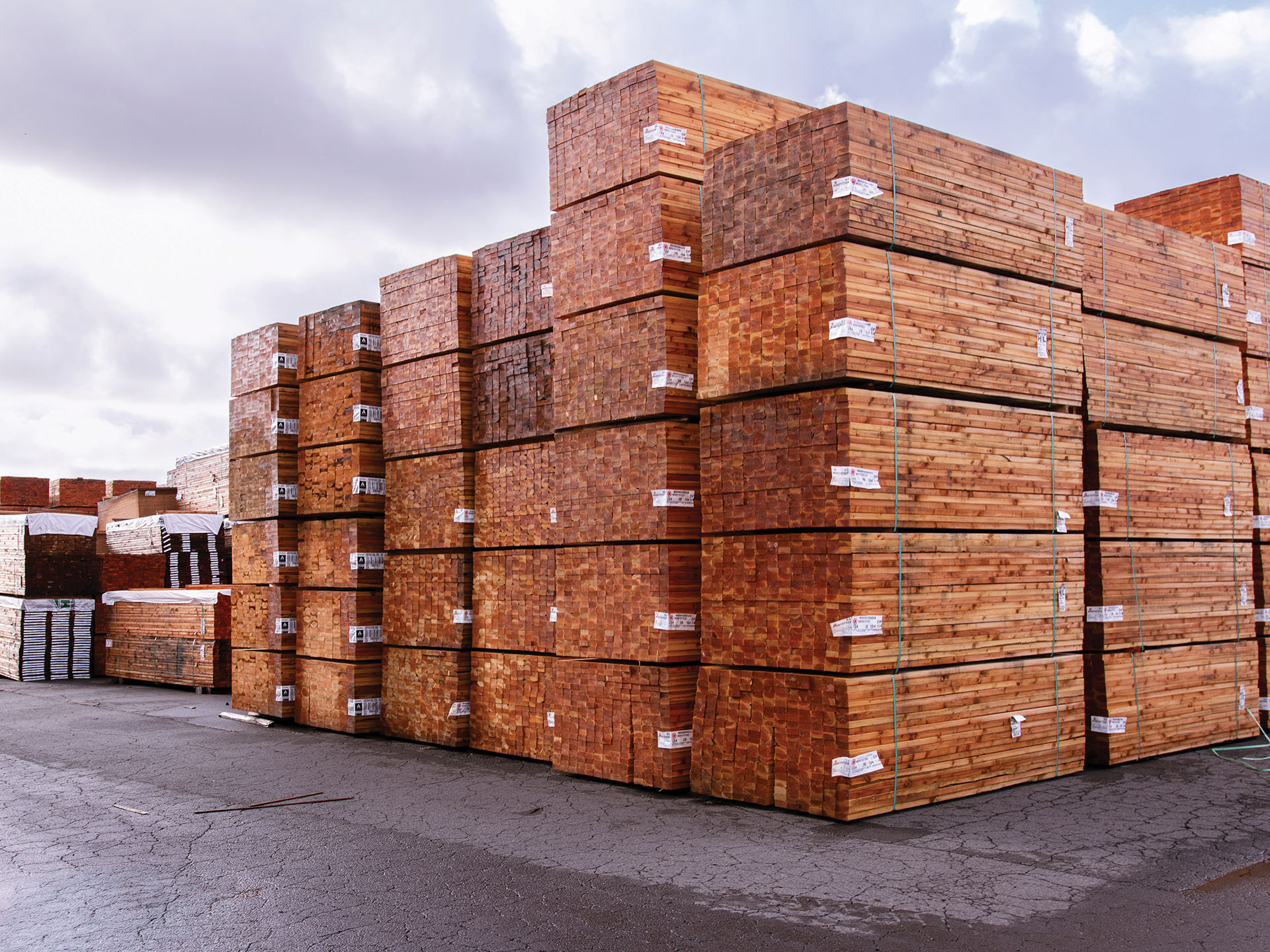




Tariffs are hiking the cost of Hawai‘i construction — and insurance policies. This includes the basics — essential policies typically purchased by most Hawai‘i builders.
The Basics
Diane Inouye, senior vice president and chief underwriting officer at Island Insurance Co. Ltd., recommends the following essential policies to building industry clients:
- General Liability
- Workers’ Compensation
- Commercial Umbrella/Excess Liability
- Commercial Property
- Commercial Auto
In addition, “those in the construction industry — depending on their particular type of work — should also consider professional liability, cyber liability, builders’ risk, contractor’s pollution liability and inland marine and ocean cargo insurance coverages,” Inouye says.
Builders’ risk is designed to fill in any gaps in general liability coverage.
“This type of specialty property coverage is intended to protect buildings under construction (including materials, supplies and equipment on-site) for the duration of the project and against various types of risks including fire, wind, theft and vandalism,” Inouye explains.
“Cyber insurance should be considered if not already purchased,” says Atlas Insurance Agency Vice President Dylan Nakano. “Network security helps, but cyber criminals continuously get better at exploiting users.”
At Aloha Insurance Services Inc., Agent Jeff Garff, who carries the Certified Insurance Counselor and Certified Risk Manager designations, recommends cyber, professional liability and pollution protection — and due diligence. “Double-checking the limit on umbrella and excess policies and comparing it with contractual requirements and the needs of the insured is essential,” he emphasizes.
Why 2025 Premiums Are Rising
“The effect of tariffs is felt strongly,” Garff says. “With increased costs and risk across the entire construction supply chain being felt, carriers pass these on to policyholders.”
He says policies most affected are those that use specific dollar amounts for exposure ratings such as general liability, builders’ risk and workers’ compensation.
If higher tariffs become the norm, Nakano predicts, “future expected losses will eventually be adjusted to account for the exposure. Regardless of premium basis … premiums will increase.”
What Insurers Require
Before issuing a policy, insurers go through an underwriting process, Inouye says. Qualifying data includes:
- Experience and track record
- Licensing and certifications
- Safety record
- Business operations and practices
- Type and scope of work
- Financial stability
- Insurance and claims history
- Local environmental factors
In obtaining coverage and determining pricing for that coverage, “carriers look at what coverages contractors are required to have in place,” Garff says. “If a contractor has solid risk management programs in place, carriers can expect fewer claims and they are more likely to renew much-needed general liability, professional liability and other policies.”
How Insurance Agents Can Help
“We recommend regular reviewing and updating of commercial insurance programs to reflect any changes in business operations, project scope and regulatory requirements,” says Inouye.
Garff says general liability is “the primary policy to review and adjust or strengthen.”
Nakano says with inflation, “cost of liability claims increase; liability limits should be reviewed on an annual basis.” Since a property policy’s insured limits are usually valued on a replacement-cost basis, he says, “policyholders should keep in mind the impact of inflation and tariffs on replacement cost when determining their property insured limits in 2026.”
“It’s not just about finding the cheapest policy,” Garff concludes. “It’s about showing carriers that builders and contractors in Hawai‘i are low-risk and work hard to control losses, despite the volatile market conditions.”