

As the state’s Department of Business, Economic Development & Tourism reports Hawai‘i private building authorizations increased in the first quarter of 2025, local bonding agents report the value of 2025 construction bonds are rising as well.
“In general, contract values have increased,” says Clarence Regalado, assistant vice president and surety account executive at Alliant Insurance Services Inc.
Brian K. Hart, manager at Hart Surety Agency, says 2025 Hawai‘i construction bonds are increasing “in terms of frequency and dollar size.”
At Atlas Insurance Agency, Executive Vice President – Operations Tricia Miyashiro confirms “Hawai‘i construction bonds have been increasing in value for 2025.”
What’s Driving Values Up?
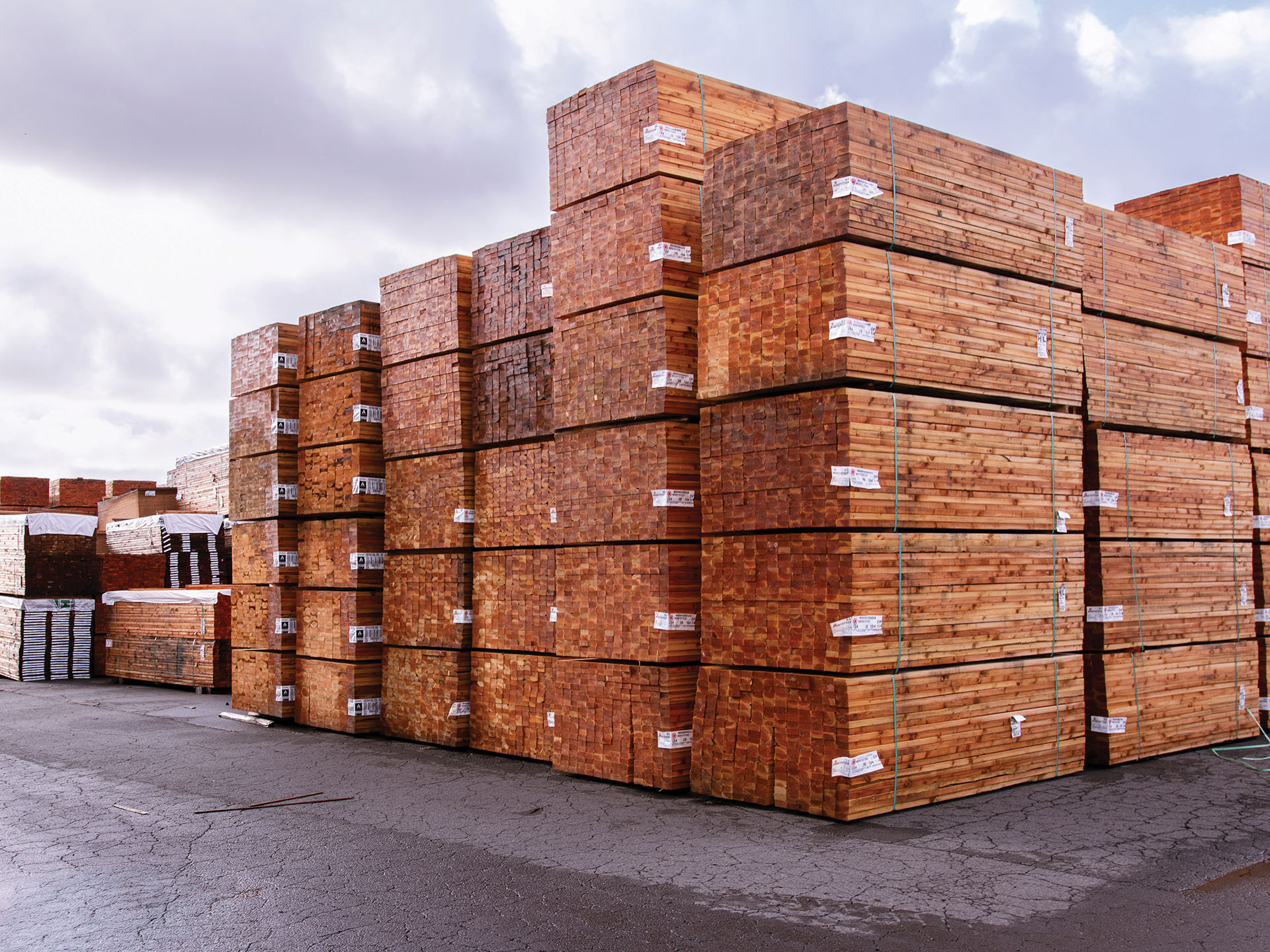
Miyashiro cites inflation, and Regalado spells it out: “What it would have cost to execute a project four to five years ago is now two to three times the cost,” he reports, attributing this to the cost of materials and labor.
“Part of it has to [do] with projects that were bid by the state and local government during 2024 [and] were awarded in 2025,” Hart says.
The current 25-percent tariffs on imported steel and aluminum are also increasing material costs and affect “the viability, timing and overall expenses of construction projects in Hawai‘i,” says Miyashiro.
As a result, surety bond underwriters are now looking more closely at and evaluating contractors’ procurement practices and carefully monitoring their cash flow.
“Sureties will look at a contractor’s ability to manage cash flow, especially if the cost of materials increases during ongoing construction and materials have not yet been procured,” reports Miyashiro.
How to Increase Bonding Capacity
Hawai‘i builders who want to increase their bonding capacity in 2025-2026 will likely need expert guidance.
Discussions between contractors and agents should start early, Regalado says, and realistically assess how much bonding is needed.
“Sometimes it is a matter of scheduling out your projects to see roughly when projects will start and end, to get an idea of how your workload will look throughout the year,” he says.
Negotiating bond terms — including rates and higher capacity limits — is also crucial, says Miyashiro. It helps contractors to “assess their operations to identify weaknesses and areas for improvement in financial and operational areas,” she says.
Regalado recommends accurate financial statements as well as “a history of successfully completing projects, bonded or unbonded, in the amount that the contractor seeks to pursue.
“For example, moving up from $1 million to $2 million projects to $10 million to $15 million projects is a challenge for any surety underwriter to approve,” Regalado says.
Typical questions, he says, include whether the contractor will need more staff to do the job, how they can manage multiple large projects and whether it will require more funds to finance these projects.
What to Look for in Your Agent
Hawai‘i contractors seeking a surety agent in 2025-2026 should “prioritize experience and expertise, especially regarding local regulations and the Hawai‘i construction market. The agent’s reputation, relationships with surety companies and responsiveness are also important factors,” Miyashiro says.
Regalado agrees. “Having a surety with a good relationship with surety underwriters is important. Under challenging circumstances, a broker with access to top-level decision-makers at surety companies may be able to move the underwriting needle forward,” he says.
Most importantly, Hart says, the agent should add value to the relationship in terms of their own technical skills and problem-solving abilities as well as provide access to certified public accountants, bankers, attorneys and other market professionals who will help builders grow and manage their business.